Semester #1 Final Machine Tool / Autobody

Reviewed by Editorial Team
The ProProfs editorial team is comprised of experienced subject matter experts. They've collectively created over 10,000 quizzes and lessons, serving over 100 million users. Our team includes in-house content moderators and subject matter experts, as well as a global network of rigorously trained contributors. All adhere to our comprehensive editorial guidelines, ensuring the delivery of high-quality content.
Learn about Our Editorial Process
| By Pcastill
P
Pcastill
Community Contributor
Quizzes Created: 5 | Total Attempts: 6,613
| Attempts: 592 | Questions: 43 | Updated: Mar 19, 2025
Please wait...
Question 1 / 44
🏆 Rank #--
Score 0/100

1.    

Explanation

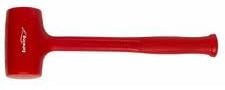
A dead blow hammer is a type of hammer that has a hollow head filled with steel shot or sand. This design allows the hammer to deliver a powerful strike without rebounding or bouncing back. The weight and material inside the head absorb the impact, reducing the risk of damage to the struck surface and minimizing the strain on the user's arm. Dead blow hammers are commonly used in automotive, construction, and metalworking industries for tasks that require precise and controlled striking.

Submit
Please wait...
About This Quiz
Semester #1 Final Machine Tool / Autobody - Quiz

This quiz assesses knowledge on different types of hammers for students in the Semester #1 Final of Machine Tool \/ Autobody courses. It focuses on identifying various hammers like Sledge, Lead, Claw, Ripping, Framing, and Dead Blow, essential for technical skills development in vocational training.

2.

What first name or nickname would you like us to use?

You may optionally provide this to label your report, leaderboard, or certificate.

2.

Explanation

not-available-via-ai

Submit

3.

Explanation

not-available-via-ai

Submit

4.

Explanation

not-available-via-ai

Submit

5.

Explanation

not-available-via-ai

Submit

6.

Explanation

not-available-via-ai

Submit

7.

Explanation

not-available-via-ai

Submit

8.

Explanation

not-available-via-ai

Submit

9.

Explanation

not-available-via-ai

Submit

10.

Explanation

not-available-via-ai

Submit

11.

Explanation

not-available-via-ai

Submit

12.    

Explanation

A sledge hammer is the correct answer because it is a type of hammer that has a large, heavy head and a long handle. It is typically used for heavy-duty tasks such as breaking through concrete or driving in stakes. The other options, lead hammer and ball pein hammer, are also types of hammers but they do not have the same heavy-duty capabilities as a sledge hammer.

Submit

13.

Explanation

not-available-via-ai

Submit

14.

Explanation

not-available-via-ai

Submit

15.

Explanation

not-available-via-ai

Submit

16.

Explanation

not-available-via-ai

Submit

17.

Explanation

not-available-via-ai

Submit

18.    

Explanation

A lead hammer is a type of hammer that has a head made of lead. It is commonly used in various industries, such as automotive and construction, where a softer striking surface is needed to prevent damage to delicate materials. Lead hammers are typically used for tasks like shaping metal or driving in nails without leaving marks. They are also known for their ability to absorb shock and reduce rebound, making them safer and more comfortable to use.

Submit

19.

Explanation

not-available-via-ai

Submit

20.    

Explanation

A lead hammer is a type of hammer that has a head made of lead. Lead is a soft and malleable metal, which makes it ideal for tasks that require a softer impact. This type of hammer is commonly used in automotive and plumbing applications, where a softer blow is needed to avoid damaging delicate surfaces or components. The lead head absorbs the shock and prevents rebound, making it a safer option for these types of tasks.

Submit

21.

Explanation

not-available-via-ai

Submit

22.

Explanation

not-available-via-ai

Submit

23.

Explanation

not-available-via-ai

Submit

24.

Explanation

not-available-via-ai

Submit

25.

Explanation

not-available-via-ai

Submit

26.

Explanation

not-available-via-ai

Submit

27.

Explanation

not-available-via-ai

Submit

28.

Explanation

not-available-via-ai

Submit

29.

Explanation

not-available-via-ai

Submit

30.

Explanation

not-available-via-ai

Submit

31.

Explanation

not-available-via-ai

Submit

32.

Explanation

not-available-via-ai

Submit

33.

Explanation

not-available-via-ai

Submit

34.

Explanation

not-available-via-ai

Submit

35.

Explanation

not-available-via-ai

Submit

36.

Explanation

not-available-via-ai

Submit

37.    

Explanation

A claw hammer is a type of hammer that has a flat striking surface on one side and a curved claw on the other side. The claw is used for pulling out nails or prying apart materials. This type of hammer is commonly used for general household tasks and construction projects. A ripping hammer, on the other hand, is specifically designed for tearing apart materials, such as removing roof shingles. A framing hammer is heavier and has a longer handle, making it ideal for driving nails into framing lumber. Therefore, the correct answer is Claw Hammer, as it is the most versatile and commonly used type of hammer.

Submit

38.    

Explanation

A framing hammer is a type of hammer that is specifically designed for use in framing houses and other construction projects. It is typically heavier and has a longer handle than other types of hammers, which allows for more force to be applied when driving nails into wood. The weight and length of the hammer also help to provide better leverage and control. This makes the framing hammer ideal for tasks such as framing walls, installing joists, and other heavy-duty construction work. The other options, claw hammer and ripping hammer, are also types of hammers but are not specifically designed for framing tasks.

Submit

39.

Explanation

not-available-via-ai

Submit

40.

Explanation

not-available-via-ai

Submit

41.   

Explanation

A ripping hammer is a type of hammer that is specifically designed for tearing apart or ripping apart materials such as wood or drywall. It typically has a straight claw that is used for prying and ripping, rather than for driving nails like a regular hammer. In contrast, a claw hammer and a framing hammer are both used for driving nails into materials. Therefore, the correct answer is a ripping hammer, as it is the only one that is not primarily used for driving nails.

Submit

42.

Explanation

not-available-via-ai

Submit

43.

Explanation

not-available-via-ai

Submit
×
Saved
Thank you for your feedback!
View My Results
Cancel
  • All
    All (43)
  • Unanswered
    Unanswered ()
  • Answered
    Answered ()


play-Mute sad happy unanswered_answer up-hover down-hover success oval cancel Check box square blue
Alert!



