
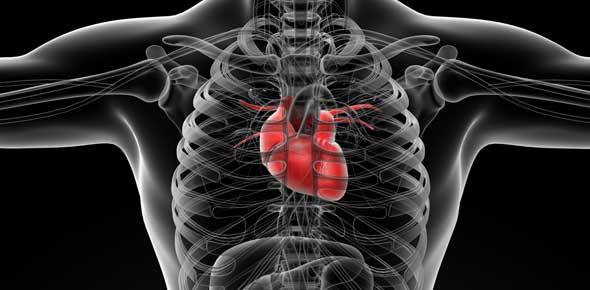
Cardiovascular System Quiz: Test Heart Knowledge

Reviewed by Editorial Team
The ProProfs editorial team is comprised of experienced subject matter experts. They've collectively created over 10,000 quizzes and lessons, serving over 100 million users. Our team includes in-house content moderators and subject matter experts, as well as a global network of rigorously trained contributors. All adhere to our comprehensive editorial guidelines, ensuring the delivery of high-quality content.
Learn about Our Editorial Process
| By Thames
T
Thames
Community Contributor
Quizzes Created: 10017 | Total Attempts: 9,652,179
| Attempts: 12 | Questions: 15 | Updated: Feb 19, 2026
Please wait...
Question 1 / 16
🏆 Rank #--
0 %
0/100
Score 0/100

1. What is the correct simplified path of blood flow?

Explanation

Blood enters the right atrium from the vena cava, moves to the right ventricle, and is pumped to the lungs for oxygenation. Oxygen-rich blood returns to the left atrium, enters the left ventricle, and is propelled through the aorta to systemic circulation. This sequential flow prevents mixing of oxygenated and deoxygenated blood, ensuring efficient gas exchange and maintaining stable systemic oxygen delivery.

Submit
Please wait...
About This Quiz
Cardiovascular System Quizzes & Trivia

This cardiovascular system quiz helps you review heart anatomy and circulation in a structured, exam-ready format. You will explore how blood flows through the chambers of the heart, how oxygen is transported, and how the system maintains balance in the body. The questions connect structure with function, making complex processes... see moreeasier to understand.

Ideal for biology and health science students, this quiz reinforces essential terminology and core concepts. By completing it, you strengthen your ability to explain how the cardiovascular system supports overall health. Use it as a focused revision tool or a knowledge check before exams. see less

2.

What first name or nickname would you like us to use?

You may optionally provide this to label your report, leaderboard, or certificate.

2. What are the two upper chambers of the heart?

Explanation

The atria are the upper receiving chambers of the heart. The right atrium collects deoxygenated blood from systemic circulation, while the left atrium receives oxygenated blood from the pulmonary veins. Their thinner muscular walls reflect lower pressure requirements compared to ventricles. Proper atrial contraction contributes to ventricular filling, optimizing stroke volume and overall cardiac output during each cardiac cycle.

Submit

3. What are the two lower chambers of the heart?

Explanation

The ventricles are the heart’s lower pumping chambers. The right ventricle sends blood to the lungs through the pulmonary artery, while the left ventricle pumps oxygenated blood into the aorta. The left ventricle has a thicker myocardium because it must generate higher pressure to circulate blood throughout the body. This structural difference supports systemic circulation demands.

Submit

4. Where is blood pressure lowest?

Explanation

Blood pressure steadily declines as blood moves away from the heart. Arterial pressure is highest due to ventricular contraction. Capillaries allow exchange, reducing pressure further. Veins exhibit the lowest pressure because blood has traveled through resistance vessels and lost kinetic force. Venous return depends on valves and muscle contraction rather than strong cardiac pumping pressure.

Submit

5. What is blood pressure?

Explanation

Blood pressure measures the force exerted by circulating blood against vessel walls. It consists of systolic pressure during ventricular contraction and diastolic pressure during relaxation. Measured in millimeters of mercury, normal adult values approximate 120 over 80. Persistent elevation increases cardiovascular strain, while low pressure can reduce organ perfusion and oxygen delivery efficiency.

Submit

6. What is a sphygmomanometer used for?

Explanation

A sphygmomanometer measures arterial blood pressure using an inflatable cuff and pressure gauge. When inflated, the cuff temporarily restricts blood flow. As pressure decreases, blood flow resumes, producing detectable sounds or electronic signals. These readings determine systolic and diastolic pressures, enabling clinicians to assess cardiovascular health and detect hypertension or hypotension accurately.

Submit

7. What is the primary role of red blood cells?

Explanation

Red blood cells contain hemoglobin, a protein that binds oxygen in the lungs through reversible chemical interaction with iron atoms. Each hemoglobin molecule carries four oxygen molecules, maximizing transport efficiency. With an average lifespan of about 120 days, red blood cells continuously circulate, delivering oxygen for cellular respiration and energy production in tissues.

Submit

8. What is the main function of platelets?

Explanation

Platelets initiate clot formation when blood vessels are damaged. They adhere to exposed collagen fibers and release chemical signals that activate additional platelets. This aggregation forms a temporary platelet plug. Subsequently, fibrin strands stabilize the clot through a mesh network. This coordinated response prevents excessive blood loss while allowing tissue repair mechanisms to begin.

Submit

9. Which are the main components of blood?

Explanation

Blood consists of plasma, red blood cells, white blood cells, and platelets. Plasma comprises about 90 percent water and transports nutrients, hormones, and waste products. Red blood cells carry oxygen, white blood cells support immune defense, and platelets enable clotting. Together, these components maintain transport, immunity, and hemostasis within the circulatory system.

Submit

10. What is the Rh factor?

Explanation

The Rh factor is an antigen found on red blood cell membranes. Individuals with the antigen are Rh positive, while those without it are Rh negative. Rh compatibility is critical during transfusions and pregnancy. If Rh negative individuals are exposed to Rh positive blood, they may develop antibodies, leading to potential hemolytic reactions upon subsequent exposure.

Submit

11. What is the function of the lymphatic system?

Explanation

The lymphatic system collects excess interstitial fluid that leaks from capillaries and returns it to the bloodstream. Lymph nodes filter this fluid, trapping pathogens for destruction by immune cells. This system prevents fluid accumulation in tissues and supports immune surveillance. Without lymphatic drainage, swelling and increased infection risk would significantly impair physiological stability.

Submit

12. Where do arteries carry blood?

Explanation

Arteries transport blood away from the heart under high pressure generated during ventricular contraction. Oxygenated blood leaves the left ventricle through the aorta to systemic tissues. The exception is the pulmonary artery, which carries deoxygenated blood to the lungs, yet it still moves away from the heart. The direction of flow defines arteries, not oxygen content. This structural definition prevents confusion with veins.

Submit

13. Where do veins carry blood?

Explanation

Veins return blood to the heart after tissues extract oxygen and nutrients. Blood pressure significantly decreases after passing through capillaries, so veins rely on valves and skeletal muscle contraction to assist upward movement. Unlike arteries, veins contain thinner walls and larger lumens. The defining feature is direction toward the heart, regardless of oxygenation status, such as pulmonary veins carrying oxygenated blood.

Submit

14. What are pacemaker cells?

Explanation

Pacemaker cells located in the sinoatrial node of the right atrium generate electrical impulses that initiate each heartbeat. These cells spontaneously depolarize due to ion channel activity, setting the heart’s rhythm at approximately 60 to 100 beats per minute. This electrical signal spreads through the atrioventricular node and conduction pathways, coordinating atrial and ventricular contractions to maintain efficient blood circulation.

Submit

15. Which best describes a major function of the cardiovascular system?

Explanation

The cardiovascular system transports oxygen, glucose, amino acids, and electrolytes to cells while removing carbon dioxide and urea. This exchange occurs at capillary beds through diffusion and pressure gradients. Additionally, white blood cells and antibodies circulate to defend against pathogens. Without this transport network, cellular metabolism would halt, leading to organ failure due to nutrient deprivation and toxic waste accumulation.

Submit
×
Saved
Thank you for your feedback!
View My Results
Cancel
  • All
    All (15)
  • Unanswered
    Unanswered ()
  • Answered
    Answered ()
What is the correct simplified path of blood flow?
What are the two upper chambers of the heart?
What are the two lower chambers of the heart?
Where is blood pressure lowest?
What is blood pressure?
What is a sphygmomanometer used for?
What is the primary role of red blood cells?
What is the main function of platelets?
Which are the main components of blood?
What is the Rh factor?
What is the function of the lymphatic system?
Where do arteries carry blood?
Where do veins carry blood?
What are pacemaker cells?
Which best describes a major function of the cardiovascular system?
play-Mute sad happy unanswered_answer up-hover down-hover success oval cancel Check box square blue
Alert!


