Meiosis, Chromosomes & Genetic Recombination

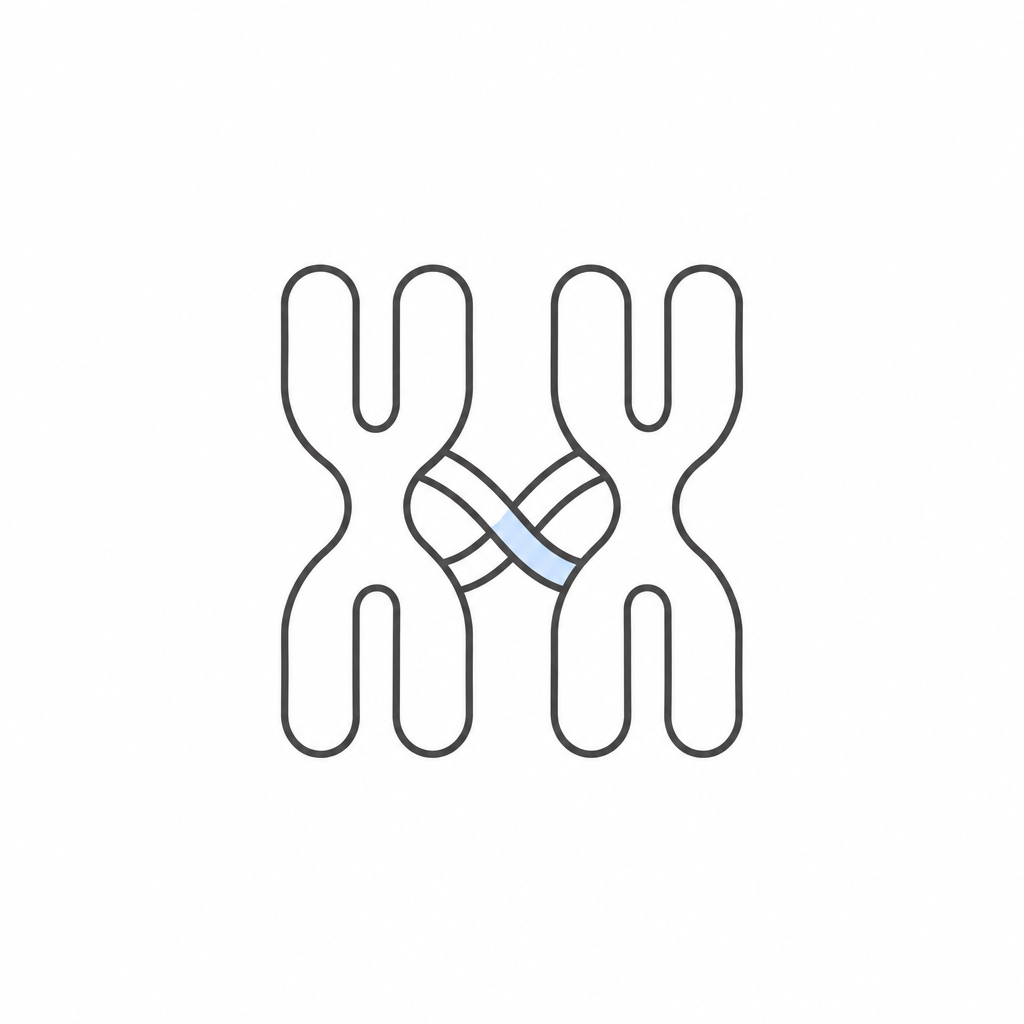
Reviewed by Editorial Team
The ProProfs editorial team is comprised of experienced subject matter experts. They've collectively created over 10,000 quizzes and lessons, serving over 100 million users. Our team includes in-house content moderators and subject matter experts, as well as a global network of rigorously trained contributors. All adhere to our comprehensive editorial guidelines, ensuring the delivery of high-quality content.
Learn about Our Editorial Process
| By Themes
T
Themes
Community Contributor
Quizzes Created: 3463 | Total Attempts: 1,248,268
| Questions: 15 | Updated: Nov 17, 2026
Please wait...
Question 1 / 16
🏆 Rank #-- ▾
0 %
0/100
Score 0/100

1. Which of the following best defines a somatic cell?

Explanation

A somatic cell refers to any cell in the body that is not involved in the production of gametes (sperm and eggs). Unlike germ-line cells, which undergo meiosis to produce gametes, somatic cells perform various functions necessary for the organism's growth and maintenance. They are diploid, containing two sets of chromosomes, and contribute to the body's structure and function, rather than participating directly in reproduction. This distinction is crucial for understanding cellular roles in both somatic and reproductive contexts.

Submit
Please wait...
About This Quiz
Meiosis, Chromosomes & Genetic Recombination - Quiz

This assessment focuses on meiosis, chromosomes, and genetic recombination. It evaluates your understanding of key concepts such as somatic and haploid cells, homologous chromosomes, and the processes of crossing over and synapsis. This knowledge is essential for grasping fundamental biological principles relevant to genetics and reproduction.

2.

What first name or nickname would you like us to use?

You may optionally provide this to label your report, leaderboard, or certificate.

2. A karyotype is best described as:

Explanation

A karyotype is a systematic representation of an individual's chromosomes, typically depicted in pairs that illustrate the homologous chromosomes. This arrangement allows for the analysis of chromosomal abnormalities, such as aneuploidies or structural changes, by providing a clear visual reference. Karyotyping is essential in genetics and medicine for diagnosing genetic disorders and understanding chromosomal behavior during cell division.

Submit

3. Homologous chromosomes are characterized by which of the following?

Explanation

Homologous chromosomes are pairs of chromosomes, one inherited from each parent, that have the same genes at the same locations, known as loci. However, these chromosomes can have different versions of those genes, called alleles. This genetic variation is crucial for diversity in traits and is a key aspect of sexual reproduction. Homologous chromosomes are not identical copies, as they may carry different alleles, and they exist in diploid cells, not solely in haploid cells or limited to sex chromosomes.

Submit

4. In humans, the normal diploid number of chromosomes in somatic cells is ____.

Explanation

Humans have a diploid chromosome number of 46, which means that somatic cells contain two sets of chromosomes, one inherited from each parent. This total comprises 23 pairs, with 22 pairs of autosomes and one pair of sex chromosomes (XX for females and XY for males). The diploid number is essential for maintaining genetic stability during cell division and development, ensuring that each new cell has the correct number of chromosomes to function properly.

Submit

5. Which term describes chromosomes that are not sex chromosomes?

Explanation

Autosomes are chromosomes that are not involved in determining the sex of an organism. In humans, there are 22 pairs of autosomes, which are identical in both males and females, while the 23rd pair consists of sex chromosomes (XX or XY). Autosomes carry the majority of an individual's genetic information, influencing traits and characteristics unrelated to sex. This distinction is crucial in genetics, as it helps in understanding inheritance patterns and the roles of different chromosomes in various biological processes.

Submit

6. A haploid cell contains one set of chromosomes. Human gametes normally have ____ chromosomes.

Explanation

Human gametes, which include sperm and egg cells, are haploid cells that contain one set of chromosomes. In humans, this set consists of 23 chromosomes, which is half the number found in diploid somatic cells (46 chromosomes). This reduction is crucial for sexual reproduction, as it ensures that when gametes fuse during fertilization, the resulting zygote has the correct diploid number of chromosomes. Thus, each gamete contributes equally to the genetic makeup of the offspring.

Submit

7. A tetrad consists of:

Explanation

A tetrad is formed during meiosis when homologous chromosomes pair up. Each homologous chromosome consists of two sister chromatids, resulting in a total of four chromatids in the tetrad. This structure is crucial for genetic recombination and ensures proper segregation of chromosomes during cell division. The pairing of homologous chromosomes allows for the exchange of genetic material, which increases genetic diversity in gametes. Thus, a tetrad is characterized specifically by this arrangement of homologous chromosomes, making the answer about the paired set of homologous chromosomes containing four chromatids correct.

Submit

8. Synapsis refers to the close pairing of homologous chromosomes that occurs during prophase I of meiosis.

Explanation

Synapsis is a crucial process in meiosis where homologous chromosomes align closely with each other during prophase I. This pairing allows for genetic recombination through crossing over, where segments of DNA are exchanged between the chromosomes. This process is essential for increasing genetic diversity in gametes. The close pairing during synapsis ensures that the chromosomes are properly aligned and can be accurately segregated into daughter cells, making it a vital step in the formation of reproductive cells.

Submit

9. Chiasmata are visible crossover points where non-sister chromatids of homologous chromosomes remain connected after crossing over.

Explanation

Chiasmata are crucial structures formed during meiosis, specifically in prophase I, where homologous chromosomes exchange genetic material through a process called crossing over. These crossover points occur between non-sister chromatids, allowing for genetic variation in gametes. After the exchange, the chromosomes remain physically connected at these points, which are visible as chiasmata under a microscope. This connection is vital for the proper segregation of chromosomes during the subsequent stages of meiosis, ensuring that each gamete receives a mix of genetic material from both parents.

Submit

10. The synaptonemal complex is a protein structure that forms between homologous chromosomes and helps align them during ____.

Explanation

The synaptonemal complex plays a crucial role during synapsis, which is the process where homologous chromosomes pair up closely along their lengths. This protein structure facilitates the alignment and stabilization of these chromosomes, ensuring accurate pairing and recombination during meiosis. By forming a bridge between homologs, the synaptonemal complex aids in the exchange of genetic material, which is essential for genetic diversity in gametes.

Submit

11. Crossing over involves the exchange of corresponding DNA segments between:

Explanation

Crossing over occurs during meiosis, specifically in prophase I, where homologous chromosomes pair up. Non-sister chromatids from each homologous chromosome exchange segments of DNA, leading to genetic recombination. This process increases genetic diversity in gametes, as the resulting chromosomes contain a mix of alleles from both parents. Sister chromatids, being identical copies of the same chromosome, do not undergo this exchange. Thus, crossing over specifically involves non-sister chromatids of homologous chromosomes, allowing for variation in offspring.

Submit

12. Recombinant chromosomes are produced as a direct result of:

Explanation

Recombinant chromosomes arise from crossing over, a process that occurs during prophase I of meiosis. During this stage, homologous chromosomes pair up and exchange segments of genetic material between non-sister chromatids. This exchange results in new combinations of alleles, leading to genetic diversity in the gametes. Unlike DNA replication errors or independent assortment, which do not directly create new genetic combinations, crossing over specifically alters the genetic makeup of chromosomes, producing recombinant chromosomes that carry traits from both parents.

Submit

13. Match each term with its correct description.

Submit

14. Which of the following statements about sex chromosomes and autosomes are correct? (Select all that apply)

Explanation

Autosomes are indeed chromosomes that do not play a role in determining an individual's sex; they are responsible for other genetic traits. In humans, the presence of XX or XY sex chromosomes dictates biological sex, with XX typically indicating female and XY indicating male. The statement about sex chromosomes not undergoing crossing over is incorrect, as they can exchange genetic material during meiosis. Additionally, autosomes are found in both diploid and haploid cells, not exclusively in haploid cells. Thus, the selected statements accurately reflect the roles of autosomes and sex chromosomes.

Submit

15. Which of the following correctly distinguishes haploid (n) from diploid (2n) cells?

Explanation

Haploid cells contain a single set of chromosomes (n), which is typical for gametes (sperm and egg cells), while diploid cells possess two sets (2n), one inherited from each parent. This distinction is crucial for understanding sexual reproduction, as the fusion of haploid gametes during fertilization restores the diploid state in the resulting zygote. The statement also highlights the fundamental differences in chromosome number and genetic contribution between these two types of cells.

Submit
×
Saved
Thank you for your feedback!
View My Results
Cancel
  • All
    All (15)
  • Unanswered
    Unanswered ()
  • Answered
    Answered ()
Which of the following best defines a somatic cell?
A karyotype is best described as:
Homologous chromosomes are characterized by which of the following?
In humans, the normal diploid number of chromosomes in somatic cells...
Which term describes chromosomes that are not sex chromosomes?
A haploid cell contains one set of chromosomes. Human gametes normally...
A tetrad consists of:
Synapsis refers to the close pairing of homologous chromosomes that...
Chiasmata are visible crossover points where non-sister chromatids of...
The synaptonemal complex is a protein structure that forms between...
Crossing over involves the exchange of corresponding DNA segments...
Recombinant chromosomes are produced as a direct result of:
Match each term with its correct description.
Which of the following statements about sex chromosomes and autosomes...
Which of the following correctly distinguishes haploid (n) from...
play-Mute sad happy unanswered_answer up-hover down-hover success oval cancel Check box square blue
Alert!


