Zoology Classification and Characteristics Quiz

  • 6th Grade,
  • 7th Grade,
  • 8th Grade,
  • 9th Grade,
  • +1
  • 10th Grade
  • NGSS
Reviewed by Editorial Team
The ProProfs editorial team is comprised of experienced subject matter experts. They've collectively created over 10,000 quizzes and lessons, serving over 100 million users. Our team includes in-house content moderators and subject matter experts, as well as a global network of rigorously trained contributors. All adhere to our comprehensive editorial guidelines, ensuring the delivery of high-quality content.
Learn about Our Editorial Process
| By Thames
T
Thames
Community Contributor
Quizzes Created: 7387 | Total Attempts: 9,527,791
| Attempts: 12 | Questions: 12 | Updated: Aug 4, 2025
Please wait...
Question 1 / 12
0 %
0/100
Score 0/100
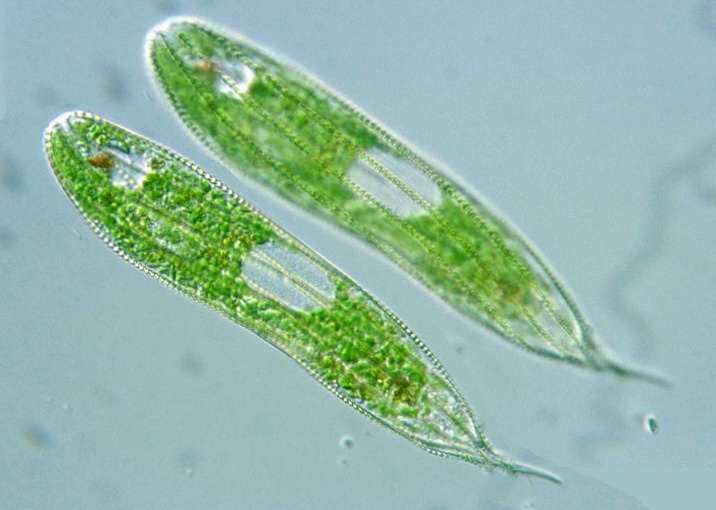
1. What is the common name of this organism, its Subphylum, Class, and what gives them their green color?

Explanation

The correct answers are Euglena for the common name, SP. Mastigophora for Subphylum, C. Phytomastigophora for Class, and Chloroplasts for what gives them their green color.

Submit
Please wait...
About This Quiz
Zoology Classification And Characteristics Quiz - Quiz

Explore essential Zoology practical terms through engaging Flashcards designed to enhance understanding and memory retention of key concepts used in scientific surveys and practicals. Ideal for students and professionals aiming to solidify foundational zoological knowledge.

2.
You may optionally provide this to label your report, leaderboard, or certificate.
2. What is the common name, Subphylum, Class, and blood disease caused by this organism?

Explanation

The correct common name of the organism is Trypanosoma, belonging to the Subphylum Mastigophora under the Class Zoomastigophora. It is responsible for causing African Sleeping sickness and Chagas' disease.

Submit
3. What is the common name of this organism? What is the Phylum? What is the name of the star shaped organelle that is responsible for osmoregulation?

Explanation

The correct answers are a) Paramecium, b) P. Ciliophora, and c) Contractile Vacuole. Paramecium belongs to the Phylum Ciliophora, and the star-shaped organelle responsible for osmoregulation is the Contractile Vacuole.

Submit
4. What is the common name of this organism, its Subphylum, and its Class?

Explanation

The correct common name of the organism is Volvox, the Subphylum is SP. Mastigophora, and the Class is C. Phytomastigophora.

Submit
5. A) What is the common name of this organism?b) What is the Subphylum?c) What is the Class?d) What distinguishes this from euglena?

Explanation

This multiple-choice question covers the common name, Subphylum, Class, and a distinguishing factor of the organism in comparison to another species. The correct answer provides the common name 'Peranema', Subphylum 'SP. Mastigophora', Class 'C. Zoomastigophora', and the distinguishing factor that it does not contain chloroplasts.

Submit
6. What is the common name of this organism? What is the Subphylum? What does this organism use for locomotion?

Explanation

The correct common name of the organism is Amoeba proteus, belonging to the Subphylum SP. Sarcodina, and it uses pseudopods for locomotion.

Submit
7. What is the common name of this organism, its Subphylum, and what are the tests made of?

Explanation

Foraminiferans are single-celled organisms that belong to the Subphylum Sarcodina. They secrete tests, or shells, made of Calcium Carbonate as opposed to Silica or any other substance.

Submit
8. What is the common name of this organism, its subphylum, and what material are the tests made of?

Explanation

The organism in question is Radiolarians, belonging to Subphylum Sarcodina, with tests made of Silica.

Submit
9. What is the common name of this organism, its Subphylum, Class, and the symbiotic relationship it has?

Explanation

The correct answers provide the specific common name (Trichonympha), Subphylum (SP. Mastigophora), Class (C. Zoomastigophora), and the symbiotic relationship with the gut of a termite.

Submit
10. What is the common name of this organism, its Phylum, the name of this growth stage shown in the picture, and whether it is Parasitic or not?

Explanation

The correct answer is Plasmodium Vivax, P. Apicomplexa, Ring Stage, Parasitic. Trypanosoma Cruzi is a different parasite causing Chagas disease, Giardia Lamblia is a protozoan causing Giardiasis, and Entamoeba Histolytica is an amoeba causing amoebiasis. Only the correct answer fits the description provided.

Submit
11. What is the common name of this organism and its Phylum?

Explanation

The correct answer is Stentor as the common name and Phylum Ciliophora. Amoeba belongs to Phylum Rhizopoda, Paramecium belongs to Phylum Ciliophora, and Euglena belongs to Phylum Dinophyta.

Submit
12. A) What is the common name of this organism? b) What is the Phylum?

Explanation

The correct common name for the organism is Vorticella and it belongs to the Phylum Ciliophora. The incorrect answers provided are representing other organisms and incorrect phylum classifications.

Submit
×
Saved
Thank you for your feedback!
View My Results
Cancel
  • All
    All (12)
  • Unanswered
    Unanswered ()
  • Answered
    Answered ()
What is the common name of this organism, its Subphylum, Class, and...
What is the common name, Subphylum, Class, and blood disease caused by...
What is the common name of this organism? What is the Phylum? What is...
What is the common name of this organism, its Subphylum, and its...
A) What is the common name of this organism?b) What is the...
What is the common name of this organism? What is the Subphylum? What...
What is the common name of this organism, its Subphylum, and what are...
What is the common name of this organism, its subphylum, and what...
What is the common name of this organism, its Subphylum, Class, and...
What is the common name of this organism, its Phylum, the name of this...
What is the common name of this organism and its Phylum?
A) What is the common name of this organism? b) What is the Phylum?
Alert!

Advertisement


