Neurological Pathways and Motor Function Integration Quiz

Reviewed by Editorial Team
The ProProfs editorial team is comprised of experienced subject matter experts. They've collectively created over 10,000 quizzes and lessons, serving over 100 million users. Our team includes in-house content moderators and subject matter experts, as well as a global network of rigorously trained contributors. All adhere to our comprehensive editorial guidelines, ensuring the delivery of high-quality content.
Learn about Our Editorial Process
| By Thames
T
Thames
Community Contributor
Quizzes Created: 11175 | Total Attempts: 9,834,713
| Attempts: 13 | Questions: 30 | Updated: Aug 4, 2025
Please wait...
Question 1 / 31
🏆 Rank #--
0 %
0/100
Score 0/100

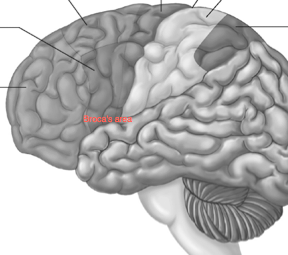
1. Label the following brain regions:Primary motor cortexPrefrontal cortexSupplementary motor cortexPosterior Parietal cortex.

Explanation

The correct labels for the brain regions are: A - Primary motor cortex, B - Prefrontal cortex, C - Supplementary motor cortex, D - Posterior Parietal cortex.

Submit
Please wait...
About This Quiz
Neurological Pathways and Motor Function Integration Quiz - Quiz

Explore the intricate link between neuropsychology and motor functions with this focused quiz. Assess your understanding of how neurological processes influence motor behavior, enhancing skills crucial for both academic and professional growth in fields like neuroscience and psychology.

2.

What first name or nickname would you like us to use?

You may optionally provide this to label your report, leaderboard, or certificate.

2. How is the cerebellum's organization described?

Explanation

The cerebellum is organized in a topographic/homuncular manner where different areas correspond to specific functions or body parts.

Submit

3. What are the roles of the cerebellum?

Explanation

The cerebellum is primarily involved in motor control and coordination, as well as motor learning and evaluation of movement outcomes.

Submit

4. Signs of upper vs lower motor neuron lesions: For each sign, indicate whether upper or motor neuron lesions may be involved: Weakness, Atrophy, Fasciculations, Reflexes, Tone.

Submit

5. What is Babinski's Sign?

Explanation

Babinski's Sign is a neurological reflex used to assess damage to the upper motor neurons. In normal adults, the response is inhibited, leading to downward flexion of the toes. Incorrect answers provided do not accurately describe the Babinski's Sign.

Submit

6. What is the most clinically important descending motor pathway in the nervous system?

Explanation

The correct answer, the lateral corticospinal tract, is the most clinically important descending motor pathway because it primarily controls the voluntary movements of the upper and lower limbs. The other incorrect options are involved in different sensory or motor functions within the nervous system.

Submit

7. What are the largest cells in the human body?

Explanation

Betz cells, also known as giant pyramidal cells, are the largest cells in the human body found in the primary motor cortex and make up a small percentage of upper motor neurons. While red blood cells, skin cells, and neurons are important components in the human body, they are not the largest cells.

Submit

8. Where do upper motor neurons synapse onto lower motor neurons in the corticospinal tract?

Explanation

In the corticospinal tract, upper motor neurons synapse onto lower motor neurons specifically in the ventral horn of the spinal cord. This synapse is crucial for the coordination of voluntary movements.

Submit

9. What is the function of the lateral corticospinal tract?

Explanation

The lateral corticospinal tract specifically plays a role in controlling movements in the extremities by transmitting upper motor neurons originating from areas like M1, the association motor cortex, and parietal lobe.

Submit

10. What is the role of the pyramidal tracts in the central nervous system?

Explanation

The pyramidal tracts consist of upper motor neurons and are involved in the control of voluntary movements of skeletal muscles through the corticospinal and corticobulbar tracts. Sensory information transportation, heart rate regulation, and blood pressure control are not functions associated with the pyramidal tracts.

Submit

11. Where does the corticospinal tract originate?

Explanation

The corticospinal tract originates in the cortex, passes through the posterior limb of the internal capsule, and descends to the spinal cord. It is responsible for voluntary motor movements.

Submit

12. Where does already integrated motor information enter ongoing activity?

Explanation

Motor information enters ongoing activity in the Prefrontal (tertiary) motor areas where it is attended to, integrated, formulated, executed, modified, and judged.

Submit

13. Prefrontal motor area has pathways connected with the ___?

Explanation

The prefrontal motor area is connected with the basal ganglia, thalamus, and brainstem reticular formation for motor control and coordination.

Submit

14. In which hemisphere is Broca's area located?

Explanation

Broca's area is predominantly located in the left hemisphere, specifically in the frontal lobe, and plays a crucial role in language production and speech formation.

Submit

15. Where are Brodmann areas 1-7 located and what functions do they serve?

Explanation

Brodmann areas 1-7 are specifically associated with processing tactile sensations from the body, not visual, auditory, or higher-level cognitive functions.

Submit

16. What do afferent pathways do?

Explanation

Afferent pathways are responsible for carrying sensory information from the peripheral nervous system to the central nervous system for processing.

Submit

17. What do the lateral motor systems control?

Explanation

The lateral motor systems primarily control movements of the upper and lower limbs, including actions such as walking, reaching, and grasping objects.

Submit

18. What is the function of Lower Motor neurons?

Explanation

Lower Motor neurons synapse with upper motor neurons in the brain stem or spinal cord and project to peripheral muscles, playing a crucial role in the execution of motor commands for voluntary movements.

Submit

19. What is the function of upper motor neurons?

Explanation

Upper motor neurons originate in the cortex and are responsible for transmitting motor commands to lower motor neurons in the brainstem and spinal cord, playing a crucial role in initiating voluntary movements.

Submit

20. Where are motor axons located in the spinal cord?

Explanation

Motor (efferent) neurons are located in the ventral horn of the gray matter of the spinal cord, while sensory (afferent) neurons are located in the dorsal horn. The lateral horn contains autonomic neurons, and the central canal contains cerebrospinal fluid.

Submit

21. Prefrontal motor areas receive information from which areas?

Explanation

The prefrontal motor areas primarily receive information from posterior tertiary areas, not from the other mentioned areas such as the primary visual cortex, basal ganglia, or spinal cord.

Submit

22. What functions are associated with supplemental motor areas?

Explanation

Supplemental motor areas are specifically involved in arousal level, initiation, triggering of responses, face motor area, motor organization and patterning of speech. The incorrect answers do not align with the known functions of supplemental motor areas.

Submit

23. What is the function of the secondary motor cortex?

Explanation

The secondary motor cortex is responsible for integrating motor skills and learned motor programs, not controlling involuntary movements, processing sensory information, or regulating heart rate.

Submit

24. What is the function of the primary motor cortex?

Explanation

The primary motor cortex is responsible for connecting with various parts of the brain involved in motor control and movement. Lesions in this area can lead to paralysis or weakness in limb and body movements.

Submit

25. What is the function of the insula?

Explanation

The insula is a region of the brain involved in various functions such as decision-making, emotional processing, social interactions, and empathy. It is not directly responsible for regulating body temperature, controlling taste, or storing long-term memories.

Submit

26. To look at insula, must remove.

Explanation

To view the insula, the uncus must be removed as it obstructs the view of this area of the brain.

Submit

27. What are the two parts of the globus pallidus?

Explanation

The globus pallidus is divided into two parts: the external globus pallidus (eGP) and the internal globus pallidus (iGP).

Submit

28. What are the components of the substantia nigra?

Explanation

The substantia nigra is divided into two main parts: the pars compacta and the pars reticulata.

Submit

29. The motor system includes feedback loop pathways among the?

Explanation

The motor system pathways involve structures like the cerebellum, brainstem, thalamus, pons, and basal ganglia. The incorrect answers provided contain brain regions or structures that are not primarily involved in motor functions. This highlights the importance of understanding the specific components of the motor system and how they interact to control movement.

Submit

30. What do efferent pathways refer to?

Explanation

Efferent pathways are nerve pathways that carry signals from the central nervous system to the muscles and glands in the body, resulting in a response or action.

Submit
×
Saved
Thank you for your feedback!
View My Results
Cancel
  • All
    All (30)
  • Unanswered
    Unanswered ()
  • Answered
    Answered ()
Label the following brain regions:Primary motor cortexPrefrontal...
How is the cerebellum's organization described?
What are the roles of the cerebellum?
Signs of upper vs lower motor neuron lesions: For each sign, indicate...
What is Babinski's Sign?
What is the most clinically important descending motor pathway in the...
What are the largest cells in the human body?
Where do upper motor neurons synapse onto lower motor neurons in the...
What is the function of the lateral corticospinal tract?
What is the role of the pyramidal tracts in the central nervous...
Where does the corticospinal tract originate?
Where does already integrated motor information enter ongoing...
Prefrontal motor area has pathways connected with the ___?
In which hemisphere is Broca's area located?
Where are Brodmann areas 1-7 located and what functions do they serve?
What do afferent pathways do?
What do the lateral motor systems control?
What is the function of Lower Motor neurons?
What is the function of upper motor neurons?
Where are motor axons located in the spinal cord?
Prefrontal motor areas receive information from which areas?
What functions are associated with supplemental motor areas?
What is the function of the secondary motor cortex?
What is the function of the primary motor cortex?
What is the function of the insula?
To look at insula, must remove.
What are the two parts of the globus pallidus?
What are the components of the substantia nigra?
The motor system includes feedback loop pathways among the?
What do efferent pathways refer to?
play-Mute sad happy unanswered_answer up-hover down-hover success oval cancel Check box square blue
Alert!