Biochemistry Quiz on Functional Groups

  • 10th Grade,
  • 11th Grade,
  • 12th Grade
  • ACS
Reviewed by Editorial Team
The ProProfs editorial team is comprised of experienced subject matter experts. They've collectively created over 10,000 quizzes and lessons, serving over 100 million users. Our team includes in-house content moderators and subject matter experts, as well as a global network of rigorously trained contributors. All adhere to our comprehensive editorial guidelines, ensuring the delivery of high-quality content.
Learn about Our Editorial Process
| By Thames
T
Thames
Community Contributor
Quizzes Created: 7682 | Total Attempts: 9,547,133
| Attempts: 12 | Questions: 11 | Updated: Nov 25, 2025
Please wait...
Question 1 / 11
0 %
0/100
Score 0/100
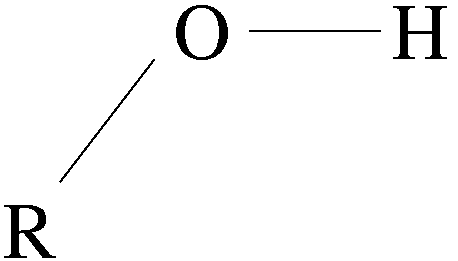
1. What functional group contains an oxygen bonded to a hydrogen atom?

Explanation

The hydroxyl group is defined by an oxygen atom directly bonded to a hydrogen atom. This simple structure significantly increases a molecule’s polarity and solubility in water. Hydroxyl groups commonly appear in alcohols, carbohydrates, and many biological compounds. Because of their polar nature, they often participate in hydrogen bonding, which plays a key role in stabilizing molecular interactions in biochemical systems.

Submit
Please wait...
About This Quiz
Biochemistry Quiz On Functional Groups - Quiz

This biochemistry quiz is designed to help learners understand the most important functional groups found in biochemical molecules. It includes short, clear multiple-choice questions that reinforce core concepts such as hydroxyl, carbonyl, amine, phosphate, and carboxyl groups.

In this basic biochemistry quiz, learners can test their skills with applied... see morequestions involving polarity, acidity, molecular interactions, and biological relevance. Whether you are studying for academic exams or refreshing your biochemical knowledge, this biochemistry functional groups quiz offers strong conceptual reinforcement. see less

2.
You may optionally provide this to label your report, leaderboard, or certificate.
2. Which group contains a nitrogen atom bonded within an organic chain?

Explanation

An amine group contains nitrogen bonded to carbon atoms in an organic chain. This nitrogen can accept a proton, making amines behave as weak bases in biochemical environments. Their presence is fundamental to amino acids, neurotransmitters, and nucleotides. The nitrogen atom’s ability to form multiple bonds contributes to amines’ reactivity and biological significance. This distinguishes the amine group structurally and functionally from groups composed of hydrogen, oxygen, or carbon alone.

Submit
3. Which functional group is characteristic of ketones?

Explanation

A carbonyl group consists of a carbon atom double-bonded to an oxygen atom. When this group appears within a carbon chain rather than at the end, it forms a ketone. Carbonyl groups strongly influence molecular polarity and reactivity due to the electronegativity difference between carbon and oxygen. In ketones, this group helps stabilize intermediates in metabolic pathways and contributes to characteristic chemical behaviors such as nucleophilic addition reactions.

Submit
4. Which group releases hydrogen ions, making molecules acidic?

Explanation

Carboxyl groups consist of a carbonyl bonded to a hydroxyl group. This dual structure enables them to release hydrogen ions into a solution, increasing acidity. Carboxyl groups are found in amino acids, fatty acids, and many metabolic intermediates. Their ability to donate protons makes them essential for maintaining physiological pH and facilitating biochemical reactions that depend on proton transfers or acid-base balance in biological systems.

Submit
5. Which functional group helps form disulfide bridges in proteins?

Explanation

A sulfhydryl group contains sulfur bonded to hydrogen and plays a crucial role in forming disulfide bridges in proteins. When two sulfhydryl groups oxidize, they create a strong covalent bond that stabilizes protein tertiary and quaternary structures. This structural reinforcement is vital for protein folding, stability, and function. The presence of sulfur gives these groups reactivity distinct from typical carbon and oxygen-based groups.

Submit
6. Which group commonly appears in ATP and energy-transfer molecules?

Explanation

Phosphate groups are central to energy-transfer molecules such as ATP. Their structure allows them to store and release energy through the breaking and forming of high-energy phosphate bonds. Phosphates also contribute to nucleic acids’ backbone structure. Their negative charges enhance solubility and regulate biochemical processes. Because of these properties, phosphate groups are essential to cellular metabolism and energy systems.

Submit
7. Which group consists of a carbon double bonded to oxygen and attached to a hydroxyl group?

Explanation

A carboxyl group combines a carbonyl and a hydroxyl group, forming a functional group that can donate hydrogen ions. This acidic property helps regulate pH and participate in biochemical reactions. Carboxyl groups are found in amino acids and fatty acids. Their ability to both donate and participate in bonding makes them chemically versatile and essential to biological macromolecules’ structure and function.

Submit
8. Which functional group is nonpolar and often reduces molecular solubility?

Explanation

A methyl group consists of one carbon atom bonded to three hydrogens. As a nonpolar and hydrophobic group, it reduces solubility in water and affects molecular interactions. Methyl groups often regulate gene expression through methylation and influence the shape and behavior of molecules. They contribute to hydrophobic interactions in biological systems, affecting macromolecule folding and membrane dynamics.

Submit
9. Which functional group contributes to base formation by accepting protons?

Explanation

Amine groups contain nitrogen capable of accepting protons, making them basic functional groups. This property allows amines to participate in acid-base chemistry and stabilize biological molecules by forming ionic interactions. Their presence in amino acids and nucleotides underscores their fundamental biochemical importance. The nitrogen atom’s lone pair facilitates bonding and reactivity, distinguishing amines from other functional groups that do not accept protons.

Submit
10. Which group forms esters when combined with alcohols?

Explanation

Carboxyl groups react with alcohols to form esters through a condensation reaction. This process releases water and creates an ester linkage that is central to many biological molecules, such as triglycerides. This reaction is key in forming large biomolecules, stabilizing structures, and enabling metabolic processes. The carboxyl group’s reactivity and ability to bond with alcohols distinguish it from functional groups that do not participate in esterification.

Submit
11. What functional group is a hydroxyl group?

Explanation

A hydroxyl group consists of an oxygen atom bonded to a hydrogen atom. It is commonly found in alcohols and organic compounds.

Submit
×
Saved
Thank you for your feedback!
View My Results
Cancel
  • All
    All (11)
  • Unanswered
    Unanswered ()
  • Answered
    Answered ()
What functional group contains an oxygen bonded to a hydrogen atom?
Which group contains a nitrogen atom bonded within an organic chain?
Which functional group is characteristic of ketones?
Which group releases hydrogen ions, making molecules acidic?
Which functional group helps form disulfide bridges in proteins?
Which group commonly appears in ATP and energy-transfer molecules?
Which group consists of a carbon double bonded to oxygen and attached...
Which functional group is nonpolar and often reduces molecular...
Which functional group contributes to base formation by accepting...
Which group forms esters when combined with alcohols?
What functional group is a hydroxyl group?
Alert!

Advertisement



