Geology Lab Review: Minerals and Properties Quiz

  • 8th Grade,
  • 9th Grade,
  • 10th Grade
  • NGSS
Reviewed by Editorial Team
The ProProfs editorial team is comprised of experienced subject matter experts. They've collectively created over 10,000 quizzes and lessons, serving over 100 million users. Our team includes in-house content moderators and subject matter experts, as well as a global network of rigorously trained contributors. All adhere to our comprehensive editorial guidelines, ensuring the delivery of high-quality content.
Learn about Our Editorial Process
| By Thames
T
Thames
Community Contributor
Quizzes Created: 7682 | Total Attempts: 9,547,133
| Attempts: 12 | Questions: 29 | Updated: Nov 17, 2025
Please wait...
Question 1 / 29
0 %
0/100
Score 0/100
1. What mineral fizzes in acid and is usually white, yellow, or colorless?

Explanation

Calcite is known to exhibit effervescence or fizzing when exposed to acids such as hydrochloric acid due to its calcium carbonate composition. This characteristic helps in distinguishing it from other minerals. Additionally, its common colors are white, yellow, or colorless, and it is categorized as a non-silicate mineral.

Submit
Please wait...
About This Quiz
Geology Lab Review: Minerals And Properties Quiz - Quiz

Prepare for Jason's Geology Lab Midterm with this focused review on key geological concepts and lab techniques. This study aid is designed to boost understanding and ensure success in geology lab assessments, enhancing practical skills in earth science.

2.
You may optionally provide this to label your report, leaderboard, or certificate.
2. What mineral is this based on the given properties: can scratch with your fingernail, white/transparent, non-silicate?

Explanation

Gypsum is the correct answer because it is a mineral that matches all the given properties: it can be scratched with a fingernail, is white or transparent in color, and is a non-silicate mineral. While Quartz is a common mineral, it is not easily scratched by a fingernail. Feldspar is a silicate mineral, and Calcite is not transparent and is relatively soft compared to Gypsum.

Submit
3. Which mineral is strongly magnetic, black, and non-silicate?

Explanation

Magnetite fits the description of being strongly magnetic, black, and non-silicate. Hematite is also black but is not strongly magnetic. Quartz is non-magnetic and typically colorless or white. Feldspar is a silicate mineral and not black or magnetic.

Submit
4. What type of mineral is dolomite?

Explanation

Dolomite is a non-silicate mineral that fizzes when powdered, and is characterized by its pink and tan colors.

Submit
5. What mineral is characterized by a powdered streak that smells like rotten eggs, yellow-brown to black color, and is classified as a non-silicate mineral?

Explanation

Sphalerite is distinguished by its unique properties such as the odor of its powdered streak, color range, and classification as a non-silicate mineral.

Submit
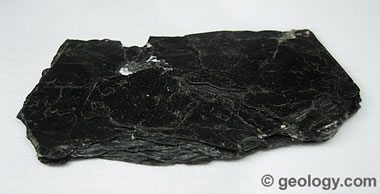
6. What is the mineral shown in the picture?

Explanation

The correct answer is Biotite. Biotite is characterized by black sheets, brown to black color, and it is classified as a silicate mineral. The other options do not match the description of the mineral shown in the picture.

Submit
7. What is the mineral shown in the picture?

Explanation

The correct answer is Muscovite because it fits the description of having clear sheets, colorless/light yellow color, and being a silicate mineral. The other options are different minerals with distinct characteristics such as hexagonal crystals (Quartz), metallic luster and dark gray to black color (Hematite), and metallic luster and brass-yellow color (Pyrite).

Submit
8. What mineral is identified by its soapy feel, green to white color, and classification as a silicate?

Explanation

Talc is the correct answer because it matches the description provided, including the soapy feel, green to white color, and being classified as a silicate. Quartz, calcite, and feldspar do not match all these characteristics and are therefore incorrect choices.

Submit
9. What gemstone is characterized by 12-sided crystals, a white streak but a red-brown color, and is a type of silicate?

Explanation

Garnet is known for its unique characteristics including 12-sided crystals, a white streak but a red-brown color, and it belongs to the silicate mineral group.

Submit
10. What mineral is black with white dots, has 70-degree angles between two planes, is black in color, and classified as a silicate?

Explanation

Pyroxene is a group of single-chain inosilicate minerals found in igneous and metamorphic rocks. It commonly appears black with white specks, has cleavage angles of approximately 70 degrees between two planes, and is classified as a silicate mineral.

Submit
11. Identify the type of rock shown in the image.

Explanation

The image shows arkose sandstone due to its specific characteristics such as angular feldspar grains, grainy look, larger fragments, and grey to pink or light red color. Additionally, the rock is classified as sedimentary.

Submit
12. What type of rock is dolostone?

Explanation

Dolostone is a type of sedimentary rock that is formed primarily of the mineral dolomite. It is typically dark tan/brown in color due to the presence of iron and may contain fossils. Other options provided are different types of rocks with distinct characteristics.

Submit
13. What type of coal is dark black, soft, brittle, and leaves hands dirty?

Explanation

Bituminous coal is a type of coal that is dark black, soft, and brittle. It leaves hands dirty due to the presence of oily components. It is classified as a sedimentary rock.

Submit
14. What mineral is shown in the picture?

Explanation

The correct mineral shown in the picture is Fluorite, which can be identified by its various colors such as green, white, yellow, or purple. It is a non-silicate mineral known for its vibrant hues.

Submit
15. What mineral is depicted in the image?

Explanation

The correct answer is Galena which is known for its specific gravity of 7.6 and unique characteristics such as cubic shape, lead grey streak, shiny black color, and being a non-silicate mineral.

Submit
16. What mineral is depicted in the picture?

Explanation

The correct answer is olivine, as it is described as very green and made of silicate. The incorrect answers do not match the characteristics depicted in the picture of the mineral.

Submit
17. What mineral is depicted in the image?

Explanation

The correct answer describes the mineral Staurolite, which is known for its twin crystals with an x-shaped appearance and red-brown or brownish-black color. It belongs to the silicate mineral group. The incorrect answers provide descriptions of other minerals with distinct characteristics.

Submit
18. What mineral is depicted in the picture?

Explanation

The correct answer can be identified as plagioclase due to its cleavage striations, grey to blue-grey color, and classification as a silicate mineral.

Submit
19. What mineral is typically pink flesh colored and classified as a silicate?

Explanation

Orthoclase is a common mineral that is known for its pink flesh color and is classified as a silicate. It is often used in the production of ceramics and as a gemstone.

Submit
20. What mineral is characterized by a dark black color and has cleavage angles of 50 degrees/124 degrees?

Explanation

Hornblende is a mineral that typically exhibits a dark black color and has cleavage angles of 50 degrees/124 degrees. It falls under the silicate mineral group.

Submit
21. What mineral has a chalky look, white color, and is a silicate?

Explanation

Kaolinite is a clay mineral with a chalky appearance, white color, and is categorized as a silicate mineral. Quartz, Gypsum, and Feldspar are not known for having a chalky look and white color, making them incorrect answers.

Submit
22. What mineral is depicted in the picture?

Explanation

The mineral depicted in the picture is halite, which is known for its salty taste, cubic crystal structure, colorless/white appearance, and classification as a non-silicate mineral. The incorrect options describe quartz (silicate mineral with hexagonal crystals), pyrite (sulfide mineral with a metallic luster and brassy yellow color), and calcite (carbonate mineral that reacts with acid and has rhombohedral cleavage).

Submit
23. What substance is often used in pencils that easily smudges fingers and is non-silicate?

Explanation

Graphite is commonly used in pencils for writing and drawing. It leaves marks easily on paper, hence smudging fingers. It is often mistaken for 'pencil lead' even though it doesn't contain actual lead. Graphite is black in color and is classified as a non-silicate mineral.

Submit
24. What mineral is commonly known for its red color and is classified as a non-silicate mineral?

Explanation

Hematite is a common mineral known for its red color and belongs to the non-silicate mineral group. Quartz is known for its white color and belongs to the silicate group. Malachite is green in color and classified as a silicate mineral. Pyrite is gold in color and classified as a sulfide mineral.

Submit
25. What mineral is identified by its red streak, yellow, brown, black color, and is classified as a non-silicate mineral?

Explanation

Limonite is commonly recognized by its red streak and yellow to brown or black color. It is a non-silicate mineral belonging to the oxide group, whereas Quartz, Feldspar, and Mica are silicate minerals commonly found in the Earth's crust.

Submit
26. What mineral is often cubic, green-brown, pale brass yellow in color, and classified as a non-silicate?

Explanation

Chalcopyrite fits the description provided in the question, as it is a mineral that matches the given characteristics.

Submit
27. What mineral is depicted in the picture?

Explanation

The correct answer is kyanite as it matches the description of bladed crystals with blue, white, gray, green colors being a silicate mineral.

Submit
28. What is the mineral shown in the picture?

Explanation

The correct answer is quartz as it matches the description of being conchoidal shaped, grey to grey black, and a silicate mineral.

Submit
29. What is the mineral shown in the picture?

Explanation

The correct answer describes the key characteristics of rock gypsum, including its appearance, scratchability, color, and type of rock formation.

Submit
×
Saved
Thank you for your feedback!
View My Results
Cancel
  • All
    All (29)
  • Unanswered
    Unanswered ()
  • Answered
    Answered ()
What mineral fizzes in acid and is usually white, yellow, or...
What mineral is this based on the given properties: can scratch with...
Which mineral is strongly magnetic, black, and non-silicate?
What type of mineral is dolomite?
What mineral is characterized by a powdered streak that smells like...
What is the mineral shown in the picture?
What mineral is identified by its soapy feel, green to white color,...
What gemstone is characterized by 12-sided crystals, a white streak...
What mineral is black with white dots, has 70-degree angles between...
Identify the type of rock shown in the image.
What type of rock is dolostone?
What type of coal is dark black, soft, brittle, and leaves hands...
What mineral is shown in the picture?
What mineral is depicted in the image?
What mineral is depicted in the picture?
What mineral is depicted in the image?
What mineral is depicted in the picture?
What mineral is typically pink flesh colored and classified as a...
What mineral is characterized by a dark black color and has cleavage...
What mineral has a chalky look, white color, and is a silicate?
What mineral is depicted in the picture?
What substance is often used in pencils that easily smudges fingers...
What mineral is commonly known for its red color and is classified as...
What mineral is identified by its red streak, yellow, brown, black...
What mineral is often cubic, green-brown, pale brass yellow in color,...
What mineral is depicted in the picture?
What is the mineral shown in the picture?
Alert!

Advertisement
