Neuroanatomy and Physiology: Exploring Shark Brains and Human Eyes

Reviewed by Editorial Team
The ProProfs editorial team is comprised of experienced subject matter experts. They've collectively created over 10,000 quizzes and lessons, serving over 100 million users. Our team includes in-house content moderators and subject matter experts, as well as a global network of rigorously trained contributors. All adhere to our comprehensive editorial guidelines, ensuring the delivery of high-quality content.
Learn about Our Editorial Process
| By Thames
T
Thames
Community Contributor
Quizzes Created: 8206 | Total Attempts: 9,601,448
| Questions: 9 | Updated: Aug 4, 2025
Please wait...
Question 1 / 10
🏆 Rank #--
Score 0/100

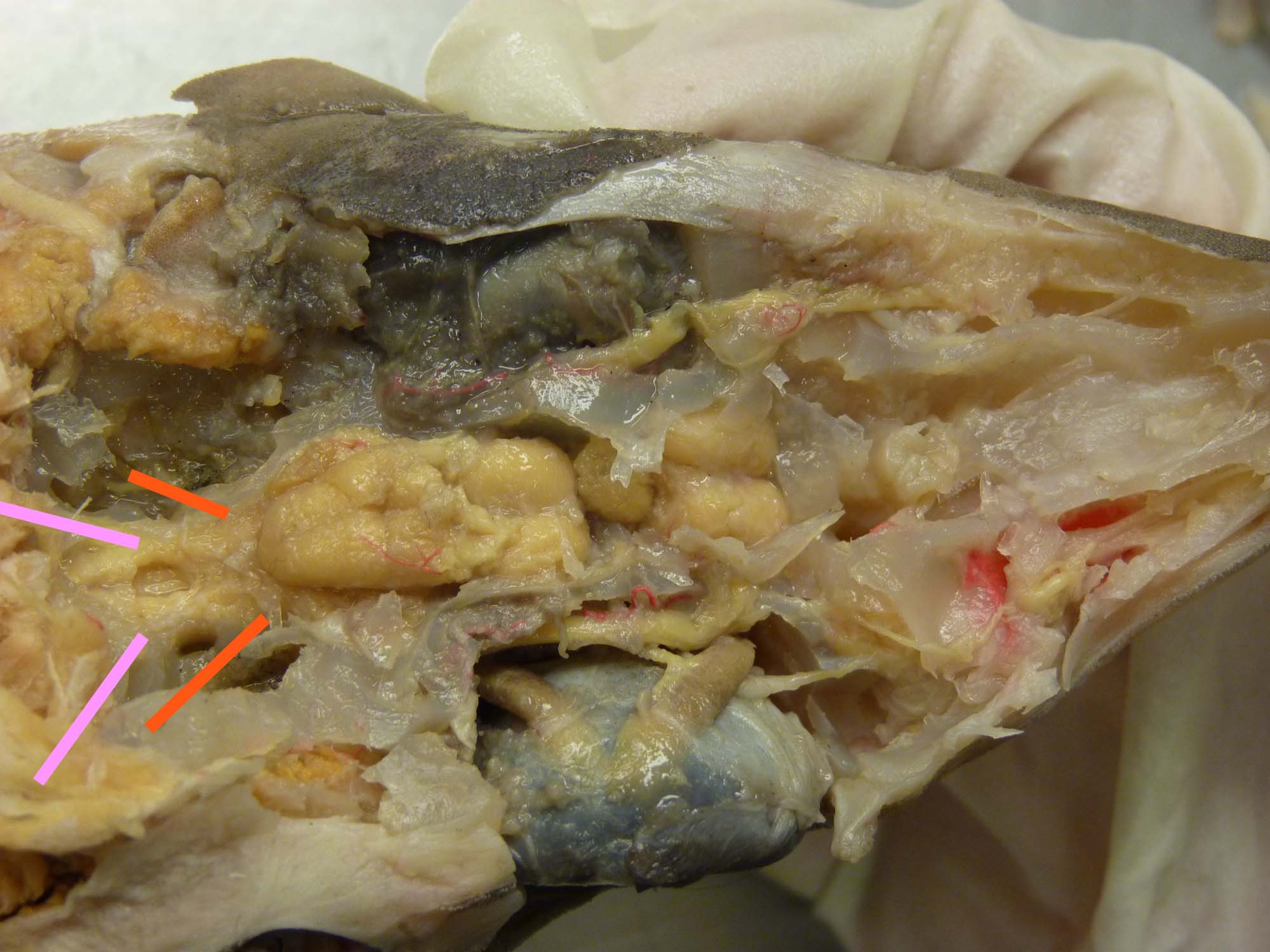
1. What are the different parts/colors illustrated in the image?

Explanation

The correct answer provides the accurate identification of each part/color illustrated in the image. It is essential to have a good understanding of brain anatomy to correctly match the colors with their corresponding brain structures.

Submit
Please wait...
About This Quiz
Neuroanatomy and Physiology: Exploring Shark Brains and Human Eyes - Quiz

Explore the fascinating structure and function of the shark brain! This educational exploration delves into neuroanatomy and behaviors specific to sharks, enhancing understanding of marine biology and neuroscience. It's ideal for students and professionals eager to learn about shark physiology and its ecological implications.

2.

What first name or nickname would you like us to use?

You may optionally provide this to label your report, leaderboard, or certificate.

2. What are the components of the human eye?

Explanation

The human eye consists of various components such as the optic nerve, media rectus, oculomotor nerve, trochlear nerve, and medial rectus. The incorrect answers provided mix up the components or include incorrect elements not related to the eye anatomy.

Submit

3. Where is the oculomotor nerve located? What about the trochlear nerve?

Explanation

The oculomotor nerve is located on top of the eye, while the trochlear nerve is tiny and attached to the superior oblique muscle in the eye. The incorrect answers provided do not accurately describe the location or function of these nerves.

Submit

4. What is the anatomy structure shown in the image?

Explanation

The correct answer correctly identifies the various anatomical structures present in the image, including the lateral rectus, deep opthalmic nerve, inferior rectus, inferior oblique, and optic nerve. The incorrect answers do not accurately describe the structures shown in the image.

Submit

5. What are the two cranial nerves highlighted in the image?

Explanation

The image likely shows a diagram of the human brain with different cranial nerves color-coded. The correct answer is pink-vagus nerve and orange-glossopharyngeal nerve. The incorrect answers are blue-trigeminal nerve, green-facial nerve, and purple-accessory nerve.

Submit

6. Name all of the extrinsic eye muscles and describe their location.

Explanation

The extrinsic eye muscles play a crucial role in controlling the movement of the eye and maintaining proper alignment. Each muscle has a specific location and function in relation to the eye. It is important to be able to accurately identify and describe the extrinsic eye muscles for a comprehensive understanding of ocular anatomy.

Submit

7. Name the first two nerves branching from the cerebellum.

Explanation

The glossopharyngeal nerve and vagus nerve are the first two nerves branching from the cerebellum, playing crucial roles in various physiological functions.

Submit

8. Describe the locations of the deep opthalmic, superficial opthalmic, and optic nerves.

Explanation

The deep opthalmic nerve is distinctively yellow and located beneath the eye, the superficial opthalmic nerve is also yellow and extends towards the snout, while the optic nerve is a white fiber next to the inferior oblique muscle.

Submit

9. Where and what is the membranous labyrinth?

Explanation

The membranous labyrinth is specifically found in the inner ear of sharks, composed of ducts and sacs, appearing as a clear shiny structure with canals.

Submit
×
Saved
Thank you for your feedback!
View My Results
Cancel
  • All
    All (9)
  • Unanswered
    Unanswered ()
  • Answered
    Answered ()
What are the different parts/colors illustrated in the image?
What are the components of the human eye?
Where is the oculomotor nerve located? What about the trochlear nerve?
What is the anatomy structure shown in the image?
What are the two cranial nerves highlighted in the image?
Name all of the extrinsic eye muscles and describe their location.
Name the first two nerves branching from the cerebellum.

Describe the locations of the deep opthalmic, superficial opthalmic,...
Where and what is the membranous labyrinth?
play-Mute sad happy unanswered_answer up-hover down-hover success oval cancel Check box square blue
Alert!

