Anatomical Identification for Autopsy Assistants: Organs and Glands Quiz

Reviewed by Editorial Team
The ProProfs editorial team is comprised of experienced subject matter experts. They've collectively created over 10,000 quizzes and lessons, serving over 100 million users. Our team includes in-house content moderators and subject matter experts, as well as a global network of rigorously trained contributors. All adhere to our comprehensive editorial guidelines, ensuring the delivery of high-quality content.
Learn about Our Editorial Process
| By Thames
T
Thames
Community Contributor
Quizzes Created: 8156 | Total Attempts: 9,588,805
| Attempts: 12 | Questions: 22 | Updated: Nov 10, 2025
Please wait...
Question 1 / 23
🏆 Rank #--
Score 0/100

1. What is the dark red structure located in the human body?

Explanation

The spleen is a dark red organ located in the upper left part of the abdomen, near the stomach. It plays a crucial role in filtering blood, storing blood cells, and fighting infections.

Submit
Please wait...
About This Quiz
Anatomical Identification For Autopsy Assistants: Organs and Glands Quiz - Quiz

Enhance your skills in identifying major body organs and glands with this focused set of visual aids. Ideal for those preparing for an autopsy assistant role, it sharpens anatomical identification and understanding, crucial for accurate autopsy procedures.

2.

What first name or nickname would you like us to use?

You may optionally provide this to label your report, leaderboard, or certificate.

2. You take prilosec when this organ acts up.

Explanation

Prilosec is a medication commonly used to treat stomach-related issues such as acid reflux and ulcers, hence the correct answer is Stomach.

Submit

3. Identify the superior vena cava.

Explanation

The superior vena cava specifically carries blood from the upper half of the body to the heart, distinguishing it from the other options mentioned.

Submit

4. Which gland is this?

Explanation

The thyroid gland is responsible for producing hormones that regulate metabolism, growth, and development in the body. The pancreas is responsible for producing insulin and regulating blood sugar levels, the pituitary gland is often referred to as the 'master gland' and controls other glands in the endocrine system, and the adrenal glands produce hormones like adrenaline in response to stress.

Submit

5. Which structure in the throat is this organ?

Explanation

The trachea, also known as the windpipe, is a tube-like structure that connects the larynx to the bronchi. It is responsible for carrying air to and from the lungs.

Submit

6. What glands are responsible for producing cortisol and adrenaline?

Explanation

The adrenal glands are responsible for producing cortisol and adrenaline, which are important hormones for regulating stress response and metabolism.

Submit

7. Where is the aorta?

Explanation

The aorta is not located in the brain, small intestine, or foot. It is the main artery that carries blood away from the heart to the rest of the body.

Submit

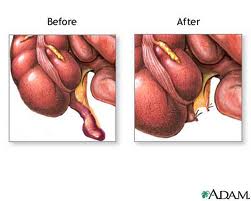
8. What is the name of this organ?

Explanation

The correct answer is 'Appendix'. The appendix is a small organ located near the large intestine in the human body.

Submit

9. What organ is this?

Explanation

The correct organ in question is the bladder, which is a hollow muscular organ in the pelvis that stores urine until it is ready to be expelled from the body. The liver, lung, and heart are all organs with different functions in the body.

Submit

10. What is the main muscle responsible for breathing?

Explanation

The diaphragm is the primary muscle involved in the breathing process as it contracts and moves downward to expand the chest cavity, allowing the lungs to fill with air.

Submit

11. Identify the esophagus in the following image.

Explanation

The correct answer is 'Esophagus' because it is the tube that carries food from the mouth to the stomach. The stomach, liver, and pancreas have different functions in the digestive system.

Submit

12. Identify the location of the gallbladder in the human body.

Explanation

The gallbladder is a small organ that stores bile produced by the liver. It is positioned just below the liver, on the right side of the abdomen, and plays a key role in the digestion and absorption of fats in the body.

Submit

13. What organ is this?

Explanation

The correct answer is the heart, which is responsible for pumping blood throughout the body. The liver, lung, and kidney are other vital organs with different functions in the body.

Submit

14. Identify the inferior vena cava.

Explanation

The inferior vena cava is specifically responsible for carrying deoxygenated blood from the lower body to the heart, distinguishing it from the other options provided.

Submit

15. What organ is responsible for filtering waste and excess fluids from the blood?

Explanation

The correct answer is the kidney, as it is primarily responsible for filtering waste and excess fluids from the blood. The liver plays a role in detoxification, the lung helps with oxygen exchange, and the heart pumps blood throughout the body but does not filter waste.

Submit

16. What organ is depicted in the cross section?

Explanation

The cross section in the image shows the internal structure of a kidney, not the liver, heart, or brain. The kidney is a vital organ responsible for filtering waste and excess fluids from the blood to produce urine.

Submit

17. What is the large dome-shaped organ in the human body?

Explanation

The liver is a large dome-shaped organ located on the right side of the abdomen. It plays a crucial role in various bodily functions such as detoxification, protein synthesis, and production of biochemicals necessary for digestion.

Submit

18. What does this image depict?

Explanation

The image shows the respiratory system, specifically the lungs. The lungs are responsible for the exchange of oxygen and carbon dioxide during respiration.

Submit

19. What is the function of the organ known as the pancreas?

Explanation

The pancreas is an organ responsible for producing digestive enzymes to break down food in the small intestine, as well as producing insulin to regulate blood sugar levels in the body.

Submit

20. Identify the location of the pancreas in the human body.

Explanation

The correct answer describes the actual location and function of the pancreas in the digestive system, distinguishing it from the incorrect answers that mention illogical locations and functions of the organ.

Submit

21. What organ is this?

Explanation

The rectum is the final section of the large intestine that connects to the anus. It is responsible for the temporary storage of feces before they are excreted from the body.

Submit

22. Which organ is responsible for the majority of nutrient absorption in the human body?

Explanation

The small intestine is where the majority of nutrient absorption takes place through its large surface area and specialized cells. The stomach primarily aids in digestion by breaking down food, the esophagus is a tube that connects the throat to the stomach, and the large intestine absorbs water and electrolytes while forming waste for excretion.

Submit
×
Saved
Thank you for your feedback!
View My Results
Cancel
  • All
    All (22)
  • Unanswered
    Unanswered ()
  • Answered
    Answered ()
What is the dark red structure located in the human body?
You take prilosec when this organ acts up.
Identify the superior vena cava.
Which gland is this?
Which structure in the throat is this organ?
What glands are responsible for producing cortisol and adrenaline?
Where is the aorta?
What is the name of this organ?
What organ is this?
What is the main muscle responsible for breathing?
Identify the esophagus in the following image.
Identify the location of the gallbladder in the human body.
What organ is this?
Identify the inferior vena cava.
What organ is responsible for filtering waste and excess fluids from...
What organ is depicted in the cross section?
What is the large dome-shaped organ in the human body?
What does this image depict?
What is the function of the organ known as the pancreas?
Identify the location of the pancreas in the human body.
What organ is this?
Which organ is responsible for the majority of nutrient absorption in...
play-Mute sad happy unanswered_answer up-hover down-hover success oval cancel Check box square blue
Alert!


