Exploring Art History: Movements, Techniques, and Cultural Significance

Reviewed by Editorial Team
The ProProfs editorial team is comprised of experienced subject matter experts. They've collectively created over 10,000 quizzes and lessons, serving over 100 million users. Our team includes in-house content moderators and subject matter experts, as well as a global network of rigorously trained contributors. All adhere to our comprehensive editorial guidelines, ensuring the delivery of high-quality content.
Learn about Our Editorial Process
| By Thames
T
Thames
Community Contributor
Quizzes Created: 7387 | Total Attempts: 9,542,569
| Questions: 9 | Updated: Nov 2, 2025
Please wait...
Question 1 / 9
0 %
0/100
Score 0/100
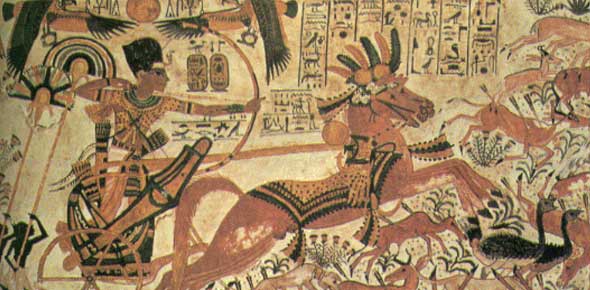
1. What is a composite view?

Explanation

A composite view in art involves combining different perspectives or aspects to create a cohesive representation, rather than focusing on just one viewpoint.

Submit
Please wait...
About This Quiz
Art History Quizzes & Trivia

Explore the evolution of art through this Art History Midterm, focusing on significant movements, artists, and their works. This assessment enhances understanding of art's historical context and its cultural relevance, tailored for students and enthusiasts aiming to deepen their knowledge in art history.

2.
You may optionally provide this to label your report, leaderboard, or certificate.
2. What is relief carving?

Explanation

Relief carving involves creating figures that are attached to the background but have a more three-dimensional appearance compared to flat carvings.

Submit
3. What does 'register' refer to in the context of communication design?

Explanation

In communication design, 'register' refers to the multiple levels like a comic strip, which helps in organizing content and guiding the reader through the visual hierarchy of information.

Submit
4. What are some key characteristics of the Pyramid of Khufu?
Submit
5. What was the concept of divine kingship?

Explanation

Divine kingship was a belief where rulers were seen as representing or embodying the will of the gods, giving them authority and legitimacy to rule. This concept was prominent in many ancient civilizations.

Submit
6. What are hieroglyphs?

Explanation

Hieroglyphs refer to the writing system developed by the ancient Egyptians, which involved a combination of alphabetic and pictorial elements to convey meaning.

Submit
7. What was the significance of the Persian Wars?

Explanation

The Persian Wars played a crucial role in shaping the future of Greece by uniting the independent city-states against a common enemy, leading to newfound confidence and a renewed relationship with the gods, ultimately paving the way for the classic period of Greek civilization.

Submit
8. What does the term 'Contrapposto' refer to in art?

Explanation

Contrapposto is a pose where a figure is standing with most of its weight on one foot causing its shoulders and arms to twist off-axis from the hips and legs. It creates a more natural and dynamic stance in art.

Submit
9. What are the main differences between Doric and Ionic temples?

Explanation

Doric and Ionic temples have distinct architectural characteristics that differentiate them from each other. Doric temples are associated with masculinity, robustness, and simplicity, while Ionic temples are characterized by their decorative elements, delicate features, and larger bases of columns.

Submit
×
Saved
Thank you for your feedback!
View My Results
Cancel
  • All
    All (9)
  • Unanswered
    Unanswered ()
  • Answered
    Answered ()
What is a composite view?
What is relief carving?
What does 'register' refer to in the context of communication design?
What are some key characteristics of the Pyramid of Khufu?
What was the concept of divine kingship?
What are hieroglyphs?
What was the significance of the Persian Wars?
What does the term 'Contrapposto' refer to in art?
What are the main differences between Doric and Ionic temples?
Alert!

Advertisement