Exploring Prehistoric to Classical Art: A Journey Through Ancient Civilizations

Reviewed by Editorial Team
The ProProfs editorial team is comprised of experienced subject matter experts. They've collectively created over 10,000 quizzes and lessons, serving over 100 million users. Our team includes in-house content moderators and subject matter experts, as well as a global network of rigorously trained contributors. All adhere to our comprehensive editorial guidelines, ensuring the delivery of high-quality content.
Learn about Our Editorial Process
| By Thames
T
Thames
Community Contributor
Quizzes Created: 11089 | Total Attempts: 9,723,268
| Questions: 30 | Updated: Aug 4, 2025
Please wait...
Question 1 / 31
🏆 Rank #--
0 %
0/100
Score 0/100

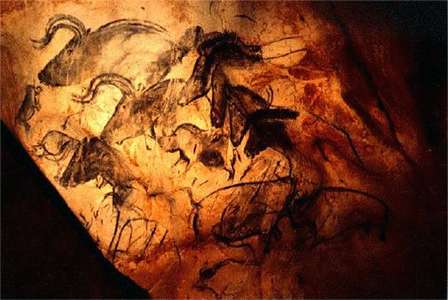
1. What is depicted in the Wall Painting of Animals in Chauvet Cave, France, dating back to the Paleolithic era of 35,000-10,000 BC?

Explanation

The correct answer is 'Animals' as the wall paintings in Chauvet Cave predominantly depict various animals such as horses, mammoths, and rhinoceroses, showcasing the wildlife of that time period.

Submit
Please wait...
About This Quiz
Exploring Prehistoric To Classical Art: A Journey Through Ancient Civilizations - Quiz

Explore the evolution of art across diverse ancient civilizations, focusing on periods from Paleolithic to Roman. This educational experience enhances understanding of historical contexts and artistic developments, serving as a foundational study for enthusiasts of cultural heritage and art history.

2.

What first name or nickname would you like us to use?

You may optionally provide this to label your report, leaderboard, or certificate.

2. What is the name of the painting found in the Lascaux Caves in France dating back to the Paleolithic era?

Explanation

The correct answer is 'Bird-Headed Man with Bison' as it is a well-known painting found in the Lascaux Caves in France dating back to the Paleolithic era.

Submit

3. What is the name of the famous Paleolithic figurine found in Austria dating back to 35,000-10,000 BC?

Explanation

The Venus of Willendorf is a well-known Paleolithic figurine found in Austria. Stonehenge is a Neolithic monument in England, the Lascaux Cave Paintings are from the Mesolithic period in France, and the Great Pyramids of Egypt belong to the Bronze Age.

Submit

4. Where is Chatal Huyuk located and during which historical period was it inhabited?

Explanation

Chatal Huyuk is an ancient archaeological site in present-day Turkey that dates back to the Neolithic period, specifically between 8000-1500 BC. It is not located in Egypt, Greece, or China, and it does not correspond to the other historical periods mentioned in the incorrect answers.

Submit

5. What famous prehistoric monument is located in England and dates back to the Neolithic period (8000-1500 BC)?

Explanation

Stonehenge is a renowned prehistoric monument in Wiltshire, England, consisting of a ring of standing stones. It is believed to have been constructed during the Neolithic period and its exact purpose still remains a mystery.

Submit

6. What ancient structure is located in Uruk, Iraq and was built by the Sumerians around 3000-2340 BC?

Explanation

The White Temple on its Ziggurat in Uruk, Iraq is a well-known ancient structure built by the Sumerians. The Great Pyramid of Giza, Stonehenge, and Machu Picchu are also famous ancient structures, but they are located in different countries and were built by different civilizations.

Submit

7. What ancient civilization produced the Votive Figures found in Iraq from 3000-2340 BC?

Explanation

The Votive Figures found in Iraq are associated with the Sumerian civilization, not the Egyptian, Greek, or Roman civilizations.

Submit

8. During which time period was the Standard of Ur created?

Explanation

The Standard of Ur was created during the time period of 3000-2340 BC in Sumeria, which is now modern-day Iraq.

Submit

9. Who was the Sumerian ruler known for his military prowess and the establishment of the Akkadian Empire around 2334 BC?

Explanation

Sargon of Akkad is often considered the first ruler to create a multi-ethnic empire in Mesopotamia through military conquest. Nebuchadnezzar II was a later Babylonian king known for his architectural achievements. Hammurabi was a Babylonian king known for his code of laws. Gilgamesh was a legendary Sumerian king known for his epic poem.

Submit

10. Who was the head of an Akkadian Ruler discovered in Iraq dating back to 2340-2180 BC?

Explanation

The correct answer refers to a significant archaeological discovery in Iraq belonging to the Akkadian period, while the incorrect answers mention other famous archaeological sites or artifacts from different regions and time periods.

Submit

11. What historical artifact is known as the Stele of King Naram-Sin?

Explanation

The Stele of King Naram-Sin is an Akkadian artifact from ancient Mesopotamia, dating back to 2340-2180 BC. It depicts the victorious King Naram-Sin leading his troops in battle and is a significant piece of historical evidence from that period.

Submit

12. What artifact is featured in the Neo-Sumerian period?

Explanation

The Votive Statue of Gudea is a well-known artifact from the Neo-Sumerian period, specifically dated to 2150-2000 BC. The Rosetta Stone is from ancient Egypt, the Terracotta Army is from China, and the Parthenon Marbles are from ancient Greece, making them incorrect choices.

Submit

13. When was the Nanna Ziggurat located and built?

Explanation

The Nanna Ziggurat, also known as the Great Ziggurat of Ur, was built during the Neo-Sumerian period between 2150-2000 BC in present-day Iraq.

Submit

14. What ancient artifact is known as the Stele of Hammurabi?

Explanation

The Stele of Hammurabi is an ancient Babylonian artifact dating back to 1800-1750 BC, featuring the Code of Hammurabi, one of the earliest known sets of laws.

Submit

15. What is the name of the citadel built by King Sargon in Iraq?

Explanation

The correct answer is the Citadel of King SargonDur Sharrukin, located in Iraq and built by King Sargon in the Assyrian period from 1000-612 BC.

Submit

16. What famous Assyrian relief sculpture depicts Assurnasirpal II Killing Lions in Iraq?

Explanation

The correct answer refers to a renowned Assyrian relief sculpture from 1000-612 BC depicting Assurnasirpal II's victory over lions in Iraq.

Submit

17. What is a Lamassu?

Explanation

A Lamassu is a common motif in ancient Mesopotamian art and was believed to provide protection against evil spirits.

Submit

18. What is the name of the Audience Hall in Persepolis, Iran built during the Persian Empire from 539-331 BC?

Explanation

The Audience Hall or Apadana of Darius & Xerxes in Persepolis, Iran is a significant archaeological site from the Persian Empire, known for its grandeur and historical importance.

Submit

19. Which historical event is depicted in the artwork titled 'Darius and Xerxes Receiving Tribute'?

Explanation

The artwork titled 'Darius and Xerxes Receiving Tribute' depicts a historical event in ancient Persia

Submit

20. Which artifact is associated with King Narmer of Egypt during the Early Dynastic period from 2950-2575 BC?

Explanation

The Palette of King Narmer is a significant Egyptian artifact dating back to the Early Dynastic period. It depicts the unification of Upper and Lower Egypt under King Narmer's rule.

Submit

21. Which ancient Egyptian monument is known as the Stepped Pyramid of Djoser?

Explanation

The Stepped Pyramid of Djoser was constructed for Pharaoh Djoser by the architect Imhotep at Saqqara. It is one of the earliest large-scale stone monuments in Egypt.

Submit

22. When were the Great Pyramids at Giza built?

Explanation

The Great Pyramids at Giza were built during the Old Kingdom period, specifically between 2572-2150 BC. Each of the incorrect answers provided corresponds to different periods in Egyptian history, but the correct period for the construction of the pyramids is the Old Kingdom.

Submit

23. When was the Great Pyramid of Giza built?

Explanation

The Great Pyramid of Giza, also known as the Pyramid of Khafre, was built during the Old Kingdom period in the range of 2575-2150 BC. It is one of the most iconic structures in ancient Egyptian history.

Submit

24. Who was associated with the Old Kingdom period of 2575-2150 BC?

Explanation

The correct answer refers to the reign of Pharaoh Mycerinus along with a queen at the time of the Old Kingdom period.

Submit

25. Who ruled during the Old Kingdom period from 2575-2150 BC?

Explanation

Pepy II and His Mother were significant rulers during the Old Kingdom period, known for their reign and influence over Egypt.

Submit

26. Which ancient Egyptian temple was built by Ramses II during the New Kingdom period (1539-1075 BC)?

Explanation

The Temple of Ramses II at Abu Simbel is one of the most famous monuments in Egypt, built by Ramses II during the New Kingdom period. Luxor Temple, Karnak Temple, and Valley of the Kings are also significant archaeological sites in Egypt, but they were not built by Ramses II during the New Kingdom period.

Submit

27. What is the name of the Funerary Temple of Queen Hatshepsut built by Senmut during the New Kingdom era?

Explanation

The correct answer is the Funerary Temple of Queen Hatshepsut (Senmut)Deir el Bahari constructed during the New Kingdom era. The Great Pyramid of Giza, Valley of the Kings, and Temple of Karnak are significant historical sites in ancient Egypt but are not associated with Queen Hatshepsut's Funerary Temple.

Submit

28. Where can the Temple of AmunLuxor be found and during which historical period was it built?

Explanation

The Temple of AmunLuxor is located in Luxor, Egypt, and was built during the New Kingdom period, specifically between 1539-1075 BC. The other options mentioned are iconic historical structures from different locations and time periods.

Submit

29. What architectural feature is prominently found in the Great Temple of Amun at Karnak, built during the New Kingdom period from 1539-1075 BC?

Explanation

The Great Temple of Amun at Karnak is known for its impressive Hypostyle Hall, featuring numerous columns supporting a roof. This architectural feature was commonly used in ancient Egyptian temple complexes.

Submit

30. What artistic scene is depicted in the Tomb of Nebamum in Thebes during the New Kingdom period?

Explanation

The correct answer is 'Fowling Scene,' as it is the specific scene depicted in the Tomb of Nebamum in Thebes during the New Kingdom period, between 1539-1075 BC.

Submit
×
Saved
Thank you for your feedback!
View My Results
Cancel
  • All
    All (30)
  • Unanswered
    Unanswered ()
  • Answered
    Answered ()
What is depicted in the Wall Painting of Animals in Chauvet Cave,...
What is the name of the painting found in the Lascaux Caves in France...
What is the name of the famous Paleolithic figurine found in Austria...
Where is Chatal Huyuk located and during which historical period was...
What famous prehistoric monument is located in England and dates back...
What ancient structure is located in Uruk, Iraq and was built by the...
What ancient civilization produced the Votive Figures found in Iraq...
During which time period was the Standard of Ur created?
Who was the Sumerian ruler known for his military prowess and the...
Who was the head of an Akkadian Ruler discovered in Iraq dating back...
What historical artifact is known as the Stele of King Naram-Sin?
What artifact is featured in the Neo-Sumerian period?
When was the Nanna Ziggurat located and built?
What ancient artifact is known as the Stele of Hammurabi?
What is the name of the citadel built by King Sargon in Iraq?
What famous Assyrian relief sculpture depicts Assurnasirpal II Killing...
What is a Lamassu?
What is the name of the Audience Hall in Persepolis, Iran built during...
Which historical event is depicted in the artwork titled 'Darius and...
Which artifact is associated with King Narmer of Egypt during the...
Which ancient Egyptian monument is known as the Stepped Pyramid of...
When were the Great Pyramids at Giza built?
When was the Great Pyramid of Giza built?
Who was associated with the Old Kingdom period of 2575-2150 BC?
Who ruled during the Old Kingdom period from 2575-2150 BC?
Which ancient Egyptian temple was built by Ramses II during the New...
What is the name of the Funerary Temple of Queen Hatshepsut built by...
Where can the Temple of AmunLuxor be found and during which historical...
What architectural feature is prominently found in the Great Temple of...
What artistic scene is depicted in the Tomb of Nebamum in Thebes...
play-Mute sad happy unanswered_answer up-hover down-hover success oval cancel Check box square blue
Alert!