When marketers look for engaging quiz ideas, they’re usually trying to do more than entertain. The real goal is a quiz that people actually finish, remember, and use to make a small decision, whether that’s choosing a product, spotting a gap, or understanding where they stand.
I like to think of a good quiz as a small, focused product inside the business. It has a clear job. It brings in the right people, asks questions that reveal something useful, and then guides them to the next step that feels natural.
That is the standard for engaging quiz ideas in this guide. I’ll walk you through 10 practical ways to make your quiz more engaging, then share marketing-ready quiz ideas by industry so you can move from theory to a clear format you can build.
How To Make Quizzes Engaging: 10 Practical Ideas
This section gives you 10 engaging quiz ideas you can apply to any quiz, whether it’s for lead generation or product discovery. Each idea is focused on making your quiz easier to start, smoother to move through, and strong enough at the end that people actually do something with the result.
1. Lead With a Clear Promise That Makes the Click Feel Worth It
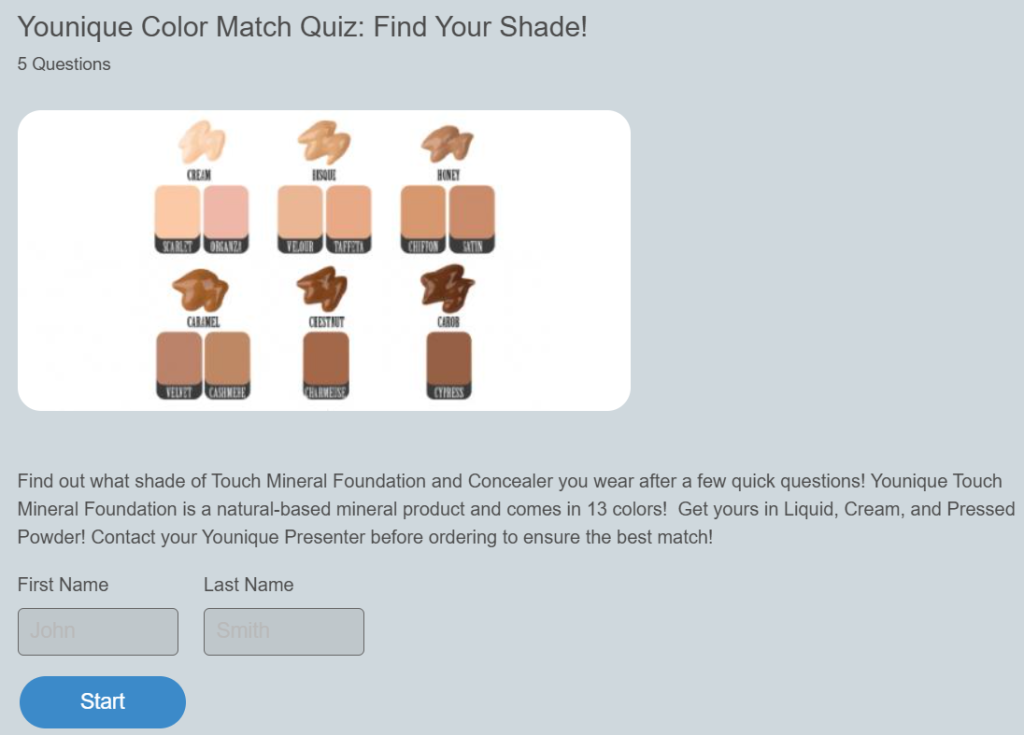
People do not click because your content is a quiz. They click because they want something specific at the end of it. If your promise is vague, your start rate will stay low, no matter how good the questions are.
A strong quiz promise quickly answers three questions:
- What will I get?
- How long will it take?
- Is this for someone like me?
One simple pattern is to pair an outcome with an audience, then use a short subline to spell out what they will learn and what they can do next.
For example, “Assess Your Online Marketing Strategy (Get a Score and 5 Fixes)” or “Do You Need Car Insurance? (Find Out in 2 Minutes).” If the title feels sharp and concrete, the click feels worth it.
2. Pick the Quiz Type That Matches the Job To Be Done
The same topic can land very differently depending on the format you choose. The right type depends on the job you want the quiz to do in your marketing.
You can think about it like this:
- Use a personality quiz when you want reach and shareability. Identity-based results tend to spread.
- Use a recommendation quiz when you want to help someone choose between options.
- Use a score-based assessment when your audience wants a reality check or benchmark.
- Use a readiness quiz when someone is close to a decision and needs reassurance.
Watch: How to Create a Personality Quiz
3. Keep It Short, but Make It Feel Even Shorter
Length matters, but perception matters more. People abandon quizzes when they feel like too much work, even if the actual number of questions is not that high.
For most marketing quizzes, a good working range is:
- Around 6 to 10 questions for shareable, top-of-funnel quizzes
- Around 8 to 12 questions for lead quizzes, where the result is more in-depth
If you need extra detail, try to make the quiz feel shorter instead of simply adding questions. You can do that by using branching so people only see what applies to them, grouping questions into small sections to show progress, and using a progress bar that reflects reality.
The goal is a quick, steady pace, not a long list.
4. Make the First Two Questions Effortless
The hardest part is often the first screen. If the first questions feel confusing or heavy, people leave before they experience any value.
Use your opening questions to build momentum. Keep them easy, familiar, and clearly connected to the promise in your title. Good starters often look like:
- Light preference questions
- Simple “which one fits you best” choices
- Everyday scenarios with obvious, low-pressure answers
For example, “What are you trying to improve right now?” or “Which best describes your current routine?” are easier to answer than a detailed question about budget or tools. Once someone is moving, you can safely go deeper.
5. Design the Question Flow Like a Mini Diagnosis
An engaging quiz feels like a guided conversation, not a random survey. The order of the questions matters as much as the questions themselves.
A simple structure you can use is:
- Where are you now?
- What are you trying to achieve?
- What is getting in the way?
- What have you already tried?
- What should you do next?
This gives your quiz a clear story and makes it easy to explain why someone got a specific result. You can turn it into simple questions like “Where are you today?”, “What is your biggest challenge right now?”, and “Which approach feels realistic to try next?” You are guiding people from context to decision in a straight line.
6. Write Like You Are Talking to One Person
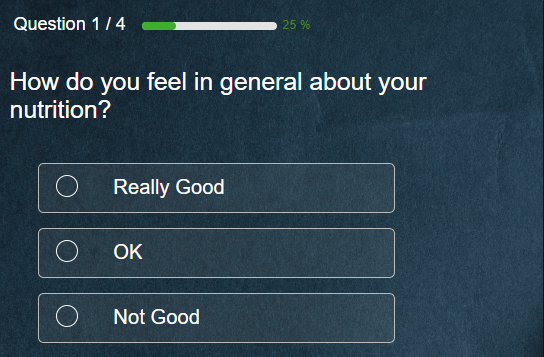
The tone of your questions has a big impact on how people feel while taking the quiz. If the language sounds like a report or a form, they will treat it like work.
Aim for clear, direct sentences that sound like you are talking to one person. That usually means:
- One sentence per question whenever possible
- Short answer options that are easy to scan
- Everyday words instead of jargon
For example, “How often do you post on social media right now?” is easier to read than “How frequently do you engage in social media posting?” Small changes like this make the quiz feel more human and less like a task.
7. Use Interaction That Reduces Thinking Time
Every extra bit of effort adds friction. If you want people to reach the result, you need to make answering feel easy.
Most engaging quizzes rely on simple, click-based inputs:
- Multiple-choice for most questions
- Image choices when style or appearance matters
- Checkboxes when more than one option can be true
Typing should be the exception, not the rule. Reserve open text only for moments where a written answer really adds value. This keeps the pace quick and reduces drop-offs caused by “I will answer this later.”
8. Make the Results Feel Earned, Not Generic
The result screen is where people decide whether the quiz was worth their time. A generic result breaks trust. A specific, grounded result builds it.
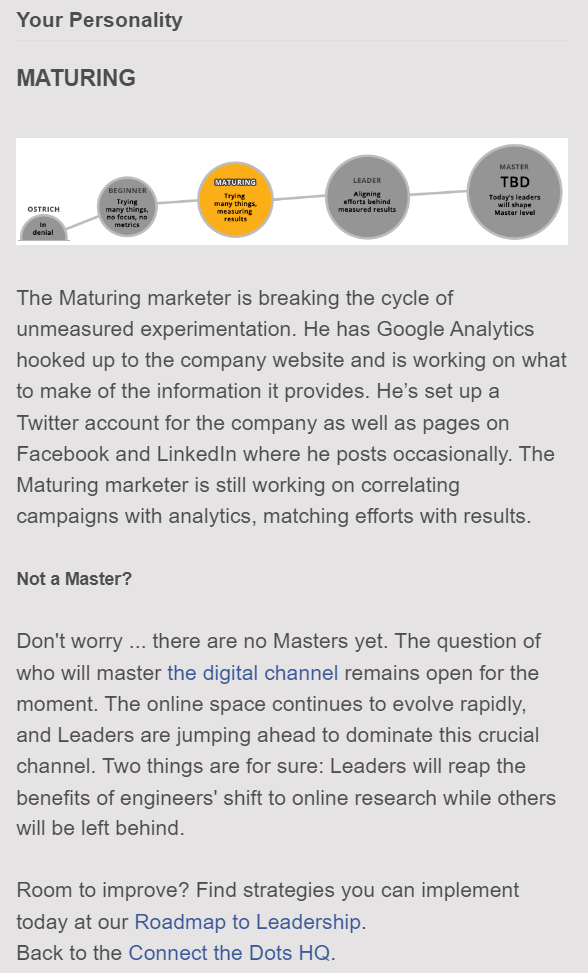
A simple structure works well here:
- A clear label that feels like a natural category
- A short explanation of what that label means
- A “why you got this” section that reflects their answers
- A next step that fits their situation
For example, a result like “Conversion Ready, but Leaky” can be followed by a two line explanation, a few bullets that mirror their choices, and three concrete actions they can take next.
If the user can see themselves in the description and knows what to do, they are more likely to save, share, or opt in.
9. Add Lead Capture After You Have Built Trust
If your quiz is part of a lead funnel, the email form should feel like a fair trade, not a surprise gate.
The safest approach is to let people answer the quiz first, then invite them to get more value by sharing their email. You can do this just before the result, or after a short preview of it, with specific prompts such as:
- “Get your full score breakdown by email.”
- “Send me the detailed plan and checklist.”
The key is that the form feels like an extension of the help you are already giving, not a wall they have to climb before seeing anything useful.
10. Optimize the Quiz Like a Funnel, Not a Post
Once your quiz is live, treat it like a small marketing funnel that you can improve over time. Instead of guessing, use the numbers to tell you where the friction is.
Useful checks include:
- Are people starting at all, or is the title not pulling them in?
- At which question do most people drop off?
- Do enough people reach the result screen?
- If you ask for an email, how many say yes?
If you’re using something like ProProfs Quiz Maker, you don’t have to eyeball these numbers question by question. You can just ask the built-in AI where the real drop-off is happening, and it points you straight to the exact question instead of you digging through a spreadsheet.
From there, make small, targeted changes. You might rewrite the first question to be easier, shorten a long answer list, replace a text field with a click, or add branching so irrelevant questions disappear.
You might also tighten the result copy so the next step is obvious. A few focused tweaks can turn a decent quiz into something that quietly performs for a long time.
Watch: How to Review Quiz Reports & Statistics
Industry-Specific Quiz Ideas for Marketing Campaigns
To get real results from a quiz, ground it in your industry, not just a clever title. The engaging quiz ideas below give you starting points you can adapt to help your audience decide, confirm a hunch, or get a quick recommendation.
1. E-commerce and D2C
In e-commerce, a quiz works best when it replaces endless scrolling with simple choices. Think of it as a guided picker that turns preferences and constraints into a small set of options that feel right.
Try angles like:
- “Find your perfect [product] for your routine”
- “Build your ideal [bundle] in 90 seconds”
- “What’s your [style/skin/flavor] profile?”
Ask questions that narrow choices quickly, then show one main match with one or two smart alternates and a short explanation. If you want leads, offer to email their picks along with a starter routine or sizing guide.
2. B2B SaaS and Marketing Services
B2B quizzes work when they feel like a quick diagnosis, not trivia. The goal is to help someone see what’s working, what’s leaking, and what to fix first.
Engaging quiz ideas include:
- “Where are you losing conversions right now?”
- “How strong is your lead follow-up system?”
- “Assess your [SEO/email/paid ads] setup”
Focus on behavior, not opinion. Ask how fast they reply, whether pages have one clear action, and what they test regularly. Use a simple three-level score and give 2–3 next steps that feel doable today, not a long overhaul.
3. Coaches, Creators, and Online Educators
For coaches and creators, the most engaging quizzes turn insight into a small plan. The label can be fun, but the value comes from a clear direction that matches real constraints.
Engaging quiz ideas:
- “What’s blocking your consistency right now?”
- “Which learning style fits you best for [skill]?”
- “What kind of content system will you actually stick to?”
Ask about time available, where they usually get stuck, and whether they prefer structure or flexibility. Then give a short weekly plan with 2–3 actions and one matching resource. If you want emails, offer the plan as a downloadable schedule or template.
4. Health, Wellness, and Fitness
Wellness quizzes work when they feel supportive, not judgmental. They should translate messy daily habits into simple, realistic changes.
Engaging quiz ideas:
- “How balanced is your nutrition right now?”
- “What’s your stress pattern at work?”
- “What workout routine matches your lifestyle?”
Ask about real life: busy-day meals, movement in a typical week, and what derails them most. Focus results on 2–3 changes they can start this week, plus one next step, like a 7-day plan, habit tracker, or basic grocery list. You can offer to email the plan so it’s easy to follow later.
5. Finance and Insurance
In finance and insurance, quizzes are engaging when they reduce anxiety and avoid jargon. People often use finance quizzes to check whether they’re missing something important.
High-intent ideas:
- “Does your personal finance plan work for you?”
- “What type of insurance planner are you?”
- “What’s your budgeting style under pressure?”
Ask calm, concrete questions about recent life changes, potential big expenses, and comfort with risk. Keep results direct: a short checklist, one or two likely gaps, and a single next step such as “Get the checklist by email” or “Request a quick coverage review.”
6. Restaurants and Food Brands
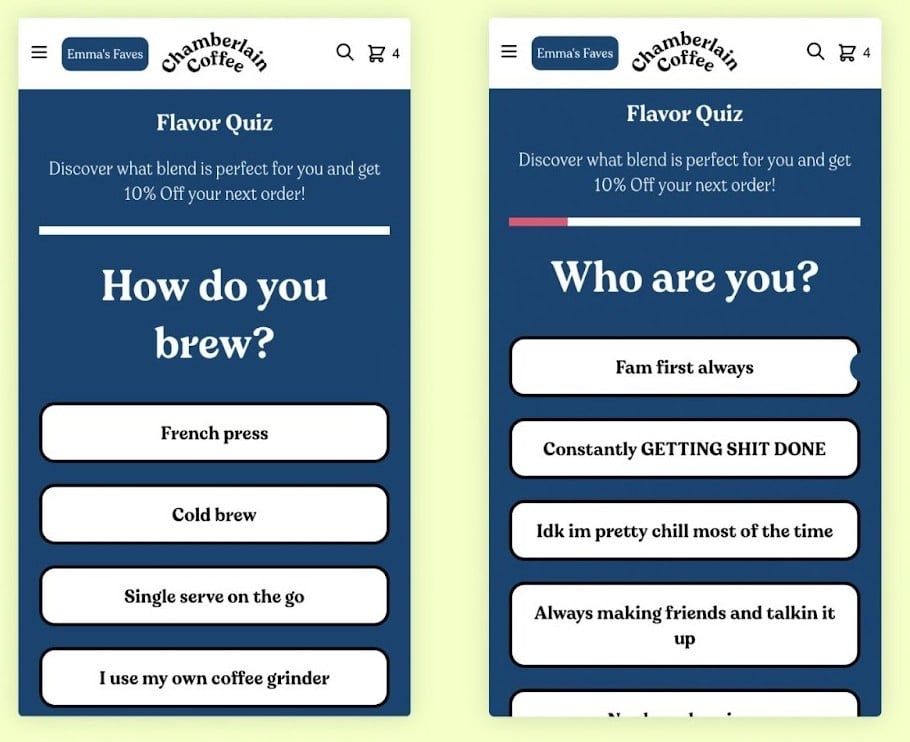
Food quizzes win when they are fast, visual, and easy to share. The aim is simple: help someone pick what to eat or discover something new.
Engaging quiz ideas:
- “What [menu item] fits your mood today?”
- “Build your perfect meal and we’ll match your order”
- “Which comfort food matches your personality?”
Use image choices, spice levels, and “treat yourself” vibes rather than long descriptions. End with one clear match, a quick “why,” and a direct action like “Order your match,” “Unlock a deal,” or “Find a nearby location.”
7. Real Estate
Real estate quizzes are most effective when they act like a readiness check. People want to know where they stand and what to do next.
Engaging quiz ideas:
- “Are you ready to buy in the next 6 months?”
- “What type of buyer are you right now?”
- “Which home style fits your lifestyle and commute?”
Ask about timeline, budget comfort, and non-negotiables like location, space, schools, or commute. Then give a short preparation plan with three steps and, if you’re collecting leads, offer the checklist by email as the opt-in.
8. Education and Training
In education and training, engagement comes from clear feedback and a visible path forward. People want to know their level and what to study next.
Engaging quiz ideas:
- “What’s your skill level in [topic]?”
- “Which learning path should you start with?”
- “Can you spot these common mistakes in [topic]?”
Use simple scenarios instead of abstract questions, then map results to stages like beginner, intermediate, and advanced. For each stage, recommend a starting module, practice set, or downloadable plan so the next step is obvious.
8 Interactive Quiz Examples That Engage and Convert
You’ve seen the ideas to create an engaging quiz. Now it helps to see them in action.
Below are 8 interactive quiz examples that show what an engaging quiz looks like, why each one works, and how you can borrow the concept for your own marketing.
1. Do You Have a Good Work-Life Balance?
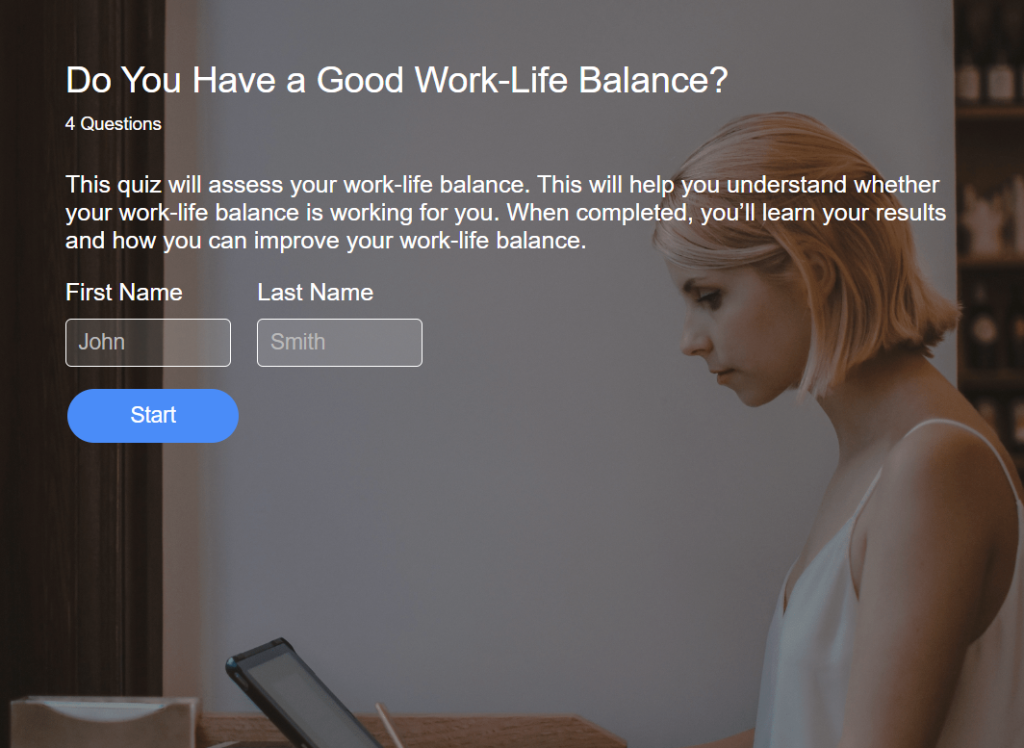
Some days you’re on top of everything. Other days, your inbox feels like it’s running the day. This quiz helps people see where they really are on the work-life balance scale, so you can guide them toward realistic next steps, not generic advice.
Takeaway: Use quizzes to diagnose where someone is on a spectrum, then treat each segment differently in your follow-up instead of sending everyone the same message.
How to Generate Leads With Lead Quizzes Easily
2. Which “Friends” Character Are You?
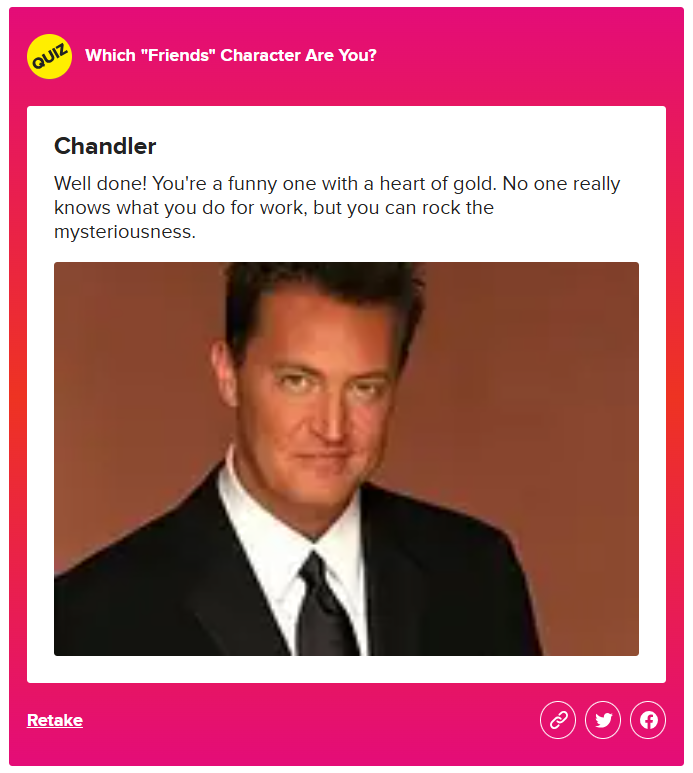
Image source: BuzzFeed
People love quizzes that tell them which character they’re most like, especially when it’s from a show they already know. This Friends quiz rode that attachment to big sharing and repeat traffic for the brand.
Takeaway: Use personality quizzes anchored in familiar identities (characters, styles, archetypes) to spark shares, then put your key links and offers on the result screen while attention is highest.
3. What Endless Shrimp Flavor Are You?
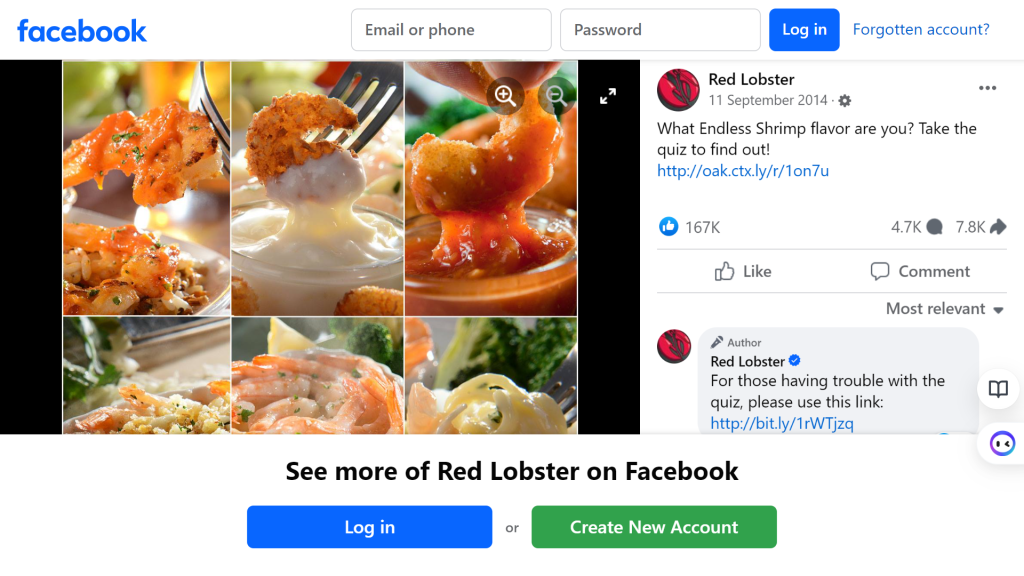
Image source: Red Lobster
Red Lobster turned a simple “Which Endless Shrimp flavor are you?” quiz into a viral hit. It worked because it felt light, a bit unexpected, and easy to share, not like a sales pitch. Food and hospitality brands can use similar quizzes to spotlight menu items or seasonal offers without sounding pushy.
Takeaway: Take one specific product or offer and turn it into a playful personality quiz that people want to share first and think about buying second.
Watch: How to Easily Create a Viral Facebook Quiz
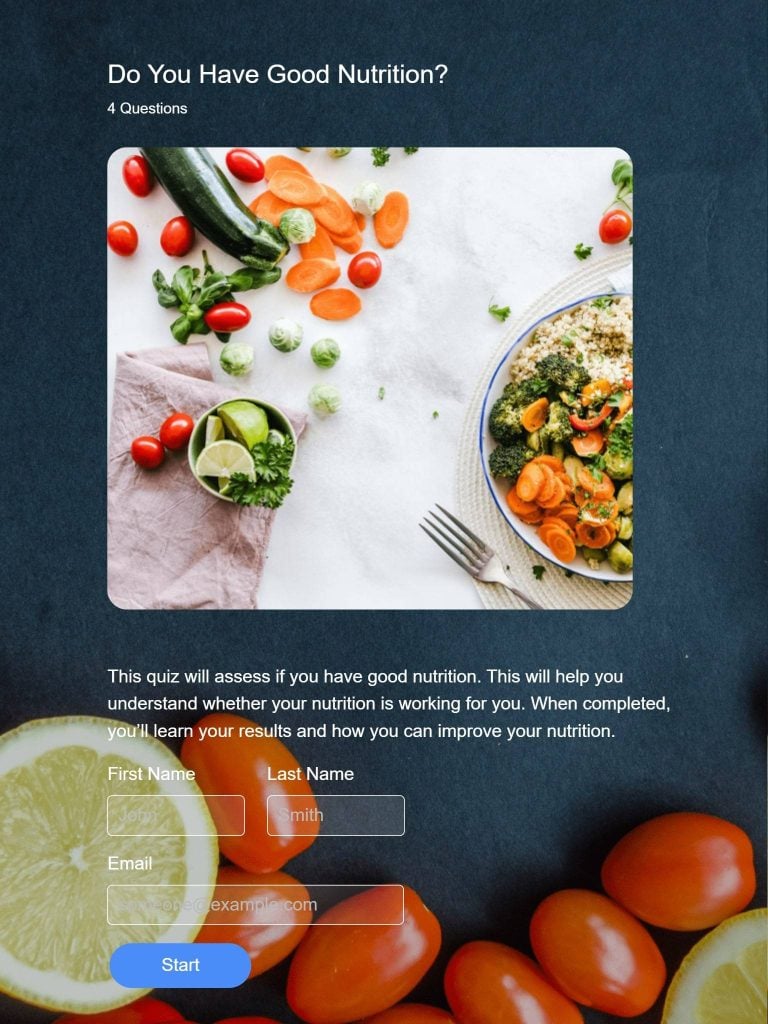
4. Do You Have Good Nutrition?
Most people assume their eating is “fine” until they see it broken down. This quiz uses simple questions on meals, snacking, and hydration to show how balanced someone’s routine really is, then suggests next steps that feel realistic instead of judgmental.
Takeaway: Use quizzes to reflect everyday habits back to people in a clear way, then offer small, specific actions that fit how they already live.
5. Find Your “Rich Life” Quiz

Image source: iwillteachyoutoberich.com
Money habits feel personal, so people resist being lectured. This quiz leans into self-discovery instead, helping someone see whether they act more like a saver, spender, or somewhere in between, then matching advice to that pattern. It feels like insight, not judgment.
Takeaway: Use quizzes to label core mindsets or styles, then tailor your recommendations and offers to each mindset so guidance feels aligned, not generic.
Money habits feel personal, so people resist being lectured. This quiz leans into self-discovery instead, helping someone see whether they act more like a saver, spender, or somewhere in between, then matching advice to that pattern. It feels like insight, not judgment.
Takeaway: Use quizzes to label core mindsets or styles, then tailor your recommendations and offers to each mindset so guidance feels aligned, not generic.
6. What’s Your Brain Type?
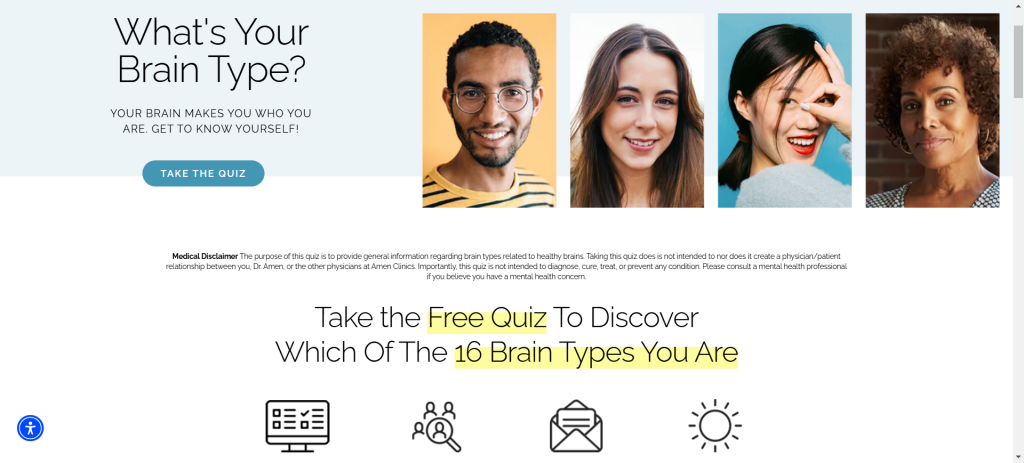
Image source: BrainMD Health
Some people thrive in chaos, others need everything neat. This quiz helps people see how their brain tends to work, then connects that insight to specific support options like focus tools or training. The result feels personal, not random.
Takeaway: Turn self-discovery into a bridge, not a dead end. Once someone sees their “pattern,” follow it immediately with a small set of next steps that clearly match what they just learned about themselves.
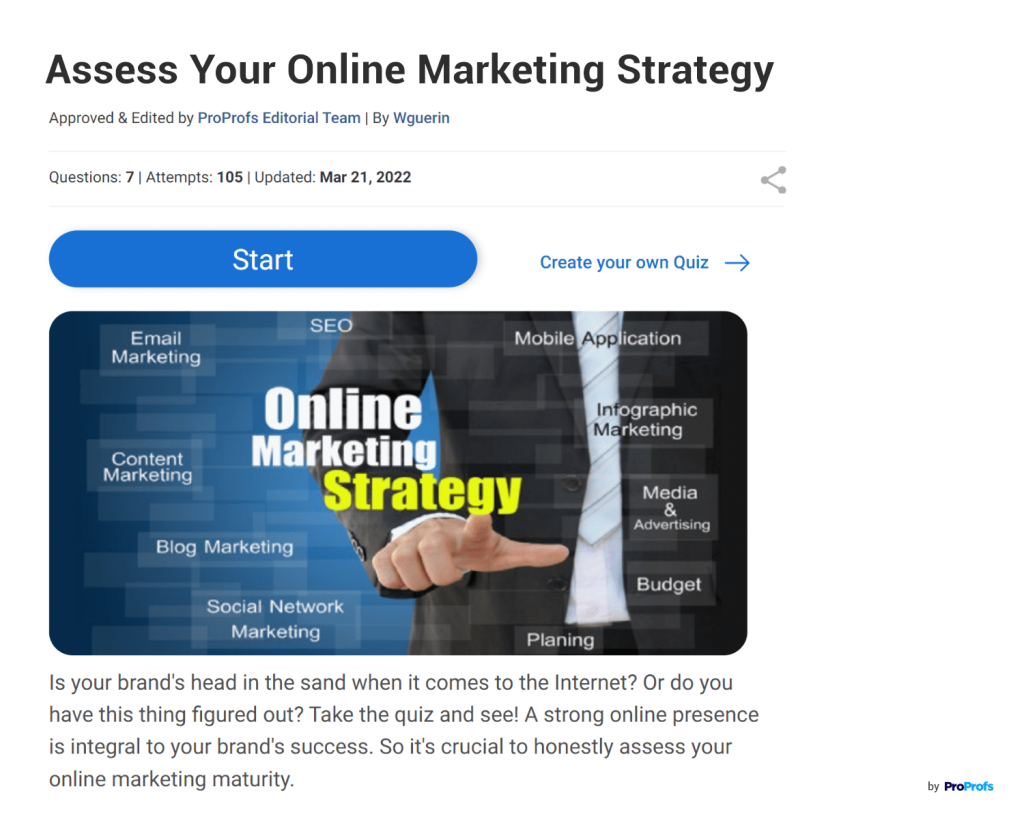
7. Assess Your Online Marketing Strategy
Marketing can feel messy when SEO, social, email, and ads are all moving at once. This kind of quiz pulls the chaos into a quick health check so a business can see what is working, what is weak, and where to focus next. It feels like a short audit, not another sales pitch.
For agencies, consultants, and SaaS tools, it also becomes a soft prequalification step. The score and answers tell you who is ready for deeper help and what to talk about first in any follow-up.
Takeaway: Turn complex, multi-channel problems into simple diagnostic quizzes, then tie each score range to a clear, step-by-step improvement path.
8. What’s Your Brand’s Irresistible “It Factor”?
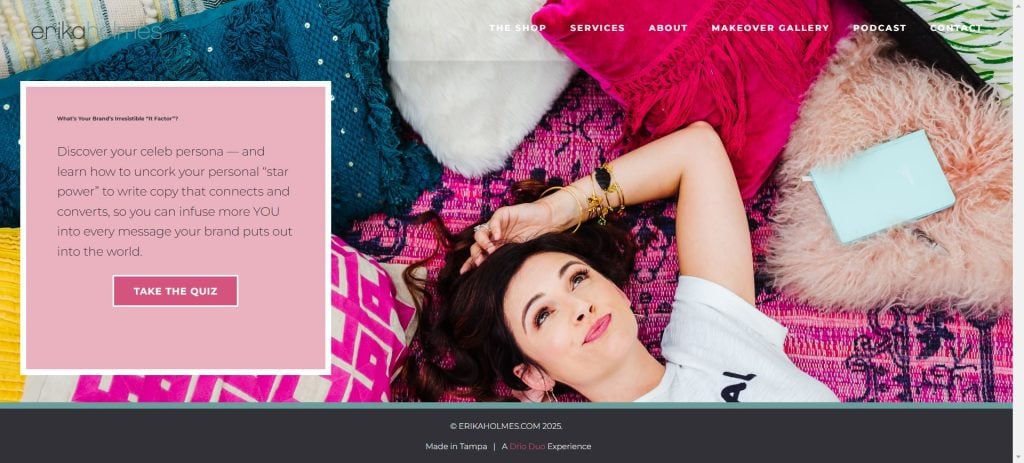
Image source: ERIKAHOLMES.COM
Branding isn’t just about logos or colors. It’s about how your business shows up and the feeling it leaves behind. This quiz, created by copywriter Erika Holmes, uses celebrity archetypes to help business owners see their brand’s “It Factor” in simple, relatable terms instead of vague adjectives.
Takeaway: When your topic feels abstract, translate it into a small set of clear archetypes or profiles, then give each one specific next steps so people know how to act on the insight immediately.
Turn Your Quiz Ideas Into Results
A strong quiz does more than fill a content gap. It pulls people in, keeps them answering, and ends with a result that feels worth their time, whether that means choosing a product, spotting a blind spot, or understanding where they stand. When you treat quizzes this way, they quietly support your funnel instead of sitting on your site as a one-off gimmick.If you are ready to turn these engaging quiz tips and ideas into something live, a tool like ProProfs Quiz Maker makes that easier. You can use AI to draft questions and outcomes, start from proven templates, tailor everything to your audience, and then keep refining based on real completion, opt-in, and click data.
Frequently Asked Questions

What makes a quiz fun and interactive?
A quiz feels fun when it’s quick to answer, feels like it “gets” you, and rewards you with an interesting result. Use short questions, visual options, and branching so questions stay relevant. Keep the tone conversational and the result specific enough to share.
How many questions should an engaging quiz have?
For most marketing quizzes, 6 to 10 questions is a good range. It feels quick but still meaningful. If you need more depth, go up to 12–15 only when you use branching, so people skip irrelevant questions and the result still feels accurate.
What are creative quiz ideas for marketing?
Strong ideas usually help someone decide or learn something about themselves. Product finders, readiness checks, “what’s your type” profiles, and score-based audits all work well. They feel creative because they give clarity, reduce uncertainty, and lead naturally to a recommendation or resource.
Where should you use a marketing quiz for the best results?
Place quizzes where people already care about the topic but may feel stuck, like landing pages, blog posts, lead magnets, and email sequences. Short, outcome-led quizzes also work well on social media. Anywhere a long explanation could become a quick, personalized answer is a good spot.

Let ProProfs AI Build a Quiz

 We'd love your feedback!
What did you like & how can we make it even better?
 Thanks for your feedback!
 Ask Your Question
Have a question? Get expert help to make your decision easier.