Explore History with the Ancient Art & Artifacts Quiz

Reviewed by Editorial Team
The ProProfs editorial team is comprised of experienced subject matter experts. They've collectively created over 10,000 quizzes and lessons, serving over 100 million users. Our team includes in-house content moderators and subject matter experts, as well as a global network of rigorously trained contributors. All adhere to our comprehensive editorial guidelines, ensuring the delivery of high-quality content.
Learn about Our Editorial Process
| By Thames
T
Thames
Community Contributor
Quizzes Created: 7682 | Total Attempts: 9,547,133
| Attempts: 11 | Questions: 12 | Updated: Dec 3, 2025
Please wait...
Question 1 / 12
0 %
0/100
Score 0/100
1. Which early Neolithic sculptures were created in Ain Ghazal around 6500 BCE?

Explanation

The human figures from Ain Ghazal are among the earliest large-scale plaster sculptures known. Their grouped arrangement suggests ritual importance and an attempt to represent identity, ancestry, or community hierarchy. The craftsmanship reveals an understanding of proportion and material layering, showing early experimentation with portraiture and symbolic representation during the shift from nomadic life to settled agricultural society.

Submit
Please wait...
About This Quiz
Art History Quizzes & Trivia

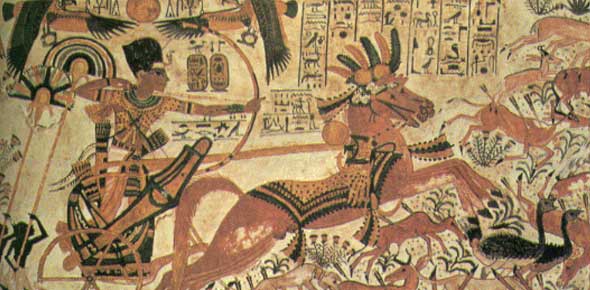
The ancient art & artifacts quiz helps learners explore some of the most influential objects, structures, and artworks from early civilizations. This quiz highlights iconic pieces from Mesopotamia, Egypt, Persia, and prehistoric cultures, offering a clear understanding of their artistic, cultural, and historical importance.

In this ancient art quiz... see moretheme is emphasized through detailed examples of sculpture, architecture, ceremonial objects, and early writing systems. Learners gain insights into symbolism, craftsmanship, and the development of visual storytelling across ancient societies. see less

2.
You may optionally provide this to label your report, leaderboard, or certificate.
2. Which ancient structure served as a major religious center in early Mesopotamia?

Explanation

The White Temple on its ziggurat illustrates early Mesopotamian architectural ambition. Built on a massive mud-brick platform, it elevated the shrine closer to the heavens, indicating the centrality of religion. Its design reflects administrative sophistication and urban planning. Archaeological remains confirm it functioned as a spiritual and political hub, symbolizing the connection between divine authority and earthly governance in Sumerian society.

Submit
3. Which artifact from Ur shows scenes of war and peace in detailed inlay work?

Explanation

The Royal Standard of Ur combines shell, lapis lazuli, and limestone to depict hierarchical social structure. The “war” side illustrates organized military strategy, while the “peace” side shows ceremonial feasting. Its clear narrative arrangement reveals early visual storytelling, emphasizing leadership, resource distribution, and social ranks. The craftsmanship indicates access to long-distance trade networks, proving Ur’s significance as a wealthy Mesopotamian city-state.

Submit
4. Which ceremonial instrument was found in the tomb of Queen Pu-Abi?

Explanation

The Bull Lyre demonstrates the importance of music in Sumerian religious ceremonies. Its gold and lapis detailing reflect elite craftsmanship and spiritual symbolism. The bull's head signifies strength and fertility, major themes in Mesopotamian iconography. Excavations in Queen Pu-Abi’s tomb confirm its association with royal ritual practices, offering insight into the ceremonial life and aesthetic values of early Mesopotamian elites.

Submit
5. Which Neo-Sumerian structure was dedicated to the moon god Nanna?

Explanation

The Great Ziggurat of Ur represents Neo-Sumerian engineering advancement. Built under King Ur-Nammu, it functioned as a central religious monument dedicated to the moon god Nanna. Its stepped terraces improved structural stability and emphasized vertical symbolism. Archaeological studies show it served administrative, ceremonial, and symbolic purposes, highlighting the fusion of religious devotion and political power in ancient Mesopotamia.

Submit
6. Which artifact shows the Akkadian king ascending a mountain in victory?

Explanation

The Stele of Naram-Sin depicts the Akkadian king as a divine figure climbing a mountain. Unlike earlier horizontal registers, its vertical layout emphasizes motion and hierarchy. The king’s elevated position symbolizes military victory and divine favor. Carved enemy bodies reinforce supremacy. Its stylistic innovations mark a turning point in ancient Near Eastern narrative representation, showing intentional political symbolism.

Submit
7. Which artifact displays one of the earliest written law codes?

Explanation

The Stele of Hammurabi contains 282 laws addressing trade, labor, family, and justice. At the top, Hammurabi receives authority from Shamash, symbolizing divine approval of his governance. Its cuneiform inscriptions demonstrate advanced literacy and administrative complexity. The legal content shows early attempts at standardized justice, reflecting Babylon’s structured society and the integration of religion with political authority.

Submit
8. Which fortified gateway featured lion sculptures in Anatolia?

Explanation

The Lion Gate in Anatolia features carved stone lions symbolizing protection and authority. Its placement at the city’s entrance shows both defensive strength and ceremonial prestige. The scale and craftsmanship indicate the Hittites’ architectural capabilities. Comparative studies of regional gateways suggest cultural exchange with Mesopotamia, demonstrating the movement of artistic ideas across ancient civilizations.

Submit
9. Which monumental gate from Assyria featured Lamassu guardians?

Explanation

The Gate of Sargon II features Lamassu figures—hybrid guardian deities combining human intelligence, bovine strength, and avian power. Their placement reflects both protective symbolism and political messaging. The monumental scale emphasizes Assyrian imperial authority. Archaeological analysis reveals that the gate marked an important administrative threshold within Khorsabad, demonstrating the empire’s commitment to artistic grandeur and psychological intimidation.

Submit
10. Which Persian structure was built for royal ceremonies in Persepolis?

Explanation

The Audience Hall of Darius and Xerxes served diplomatic and ceremonial functions. Known for its massive columns and reliefs of tribute bearers, it visually communicated Persian imperial unity. The hall’s design integrates influences from Mesopotamian, Median, and Greek architecture, reflecting the empire’s multicultural ethos. Its layout and iconography reinforce hierarchical order and demonstrate advanced stone-carving techniques within the Achaemenid Empire.

Submit
11. Which relief shows Darius and Xerxes displaying royal authority?

Explanation

The relief of Darius and Xerxes Giving Audience presents a structured court hierarchy. Darius sits elevated, expressing supremacy, while Xerxes stands behind as successor. The orderly depiction reflects Persian political ideology centered on discipline, loyalty, and divine legitimacy. Its inscriptions, carving techniques, and compositional precision show the Achaemenid mastery of symbolic representation and ceremonial messaging.

Submit
12. Which ceremonial artifact records the unification of Egypt under one ruler?

Explanation

The Palette of King Narmer documents Egypt’s unification under one ruler. Its imagery uses hierarchical scale, composite poses, and divine symbols to communicate royal authority. The intertwined animals symbolize political unification. The artifact marks early development of Egyptian artistic conventions and writing systems. Archaeological interpretation shows it functioned as a ceremonial object, not a practical cosmetic palette.

Submit
×
Saved
Thank you for your feedback!
View My Results
Cancel
  • All
    All (12)
  • Unanswered
    Unanswered ()
  • Answered
    Answered ()
Which early Neolithic sculptures were created in Ain Ghazal around...
Which ancient structure served as a major religious center in early...
Which artifact from Ur shows scenes of war and peace in detailed inlay...
Which ceremonial instrument was found in the tomb of Queen Pu-Abi?
Which Neo-Sumerian structure was dedicated to the moon god Nanna?
Which artifact shows the Akkadian king ascending a mountain in...
Which artifact displays one of the earliest written law codes?
Which fortified gateway featured lion sculptures in Anatolia?
Which monumental gate from Assyria featured Lamassu guardians?

Which Persian structure was built for royal ceremonies in Persepolis?
Which relief shows Darius and Xerxes displaying royal authority?
Which ceremonial artifact records the unification of Egypt under one...
Alert!

Advertisement