D. The tone of this letter is appreciative as the author openly thanks the teacher for all he has done for her daughter. See Lesson: Tone, Mood, and Transition Words.
Explanation
C. The transition is the word that links the two ideas: thus. This word shows how the two sentences have a cause-and-effect relationship. See Lesson: Tone, Mood, and Transition Words.
B. Factual information is verifiable and not based on personal beliefs or feelings. The statistic about the number of children who have been diagnosed as obese is a fact. See Lesson: Facts, Opinions, and Evaluating an Argument
B. The words “Then” and “Next” indicate sequence because they tell you when to do a step. See Lesson: Summarizing Text and Using Text Features
A. The argument that getting rid of homework is undoubtedly beneficial is an opinion statement because it makes a judgment. See Lesson: Facts, Opinions, and Evaluating an Argument.
B. This passage argues that childhood obesity is a major problem in our country. See Lesson: Facts, Opinions, and Evaluating an Argument
D. Each of the above sentences is related in some way to the passage, but the detail about the number of koala pathways that have been built is the best fit for the topic of the text. See Lesson: Main Ideas, Topic Sentences, and Supporting Details.
D. The author of the letter uses a lot of respectful and admiring language, but the line “We cannot thank you enough” has an especially appreciative and warm tone. See Lesson: Tone, Mood, and Transition Words.
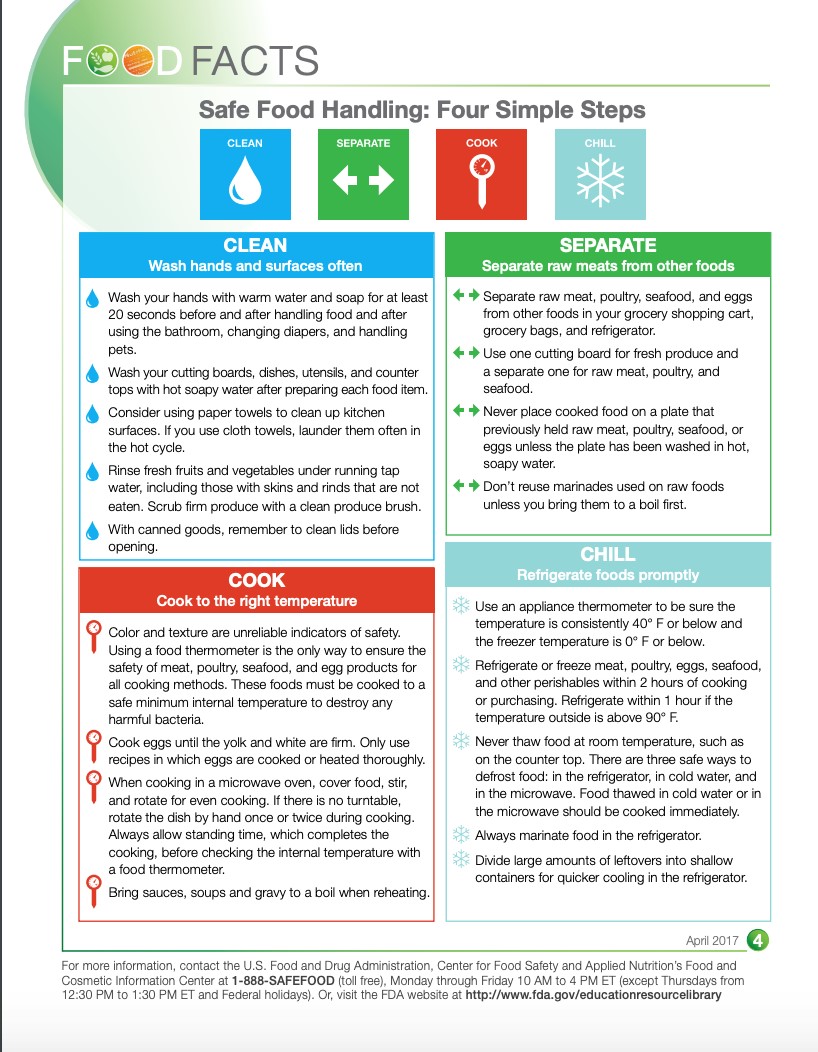
B. The information comes from a government agency called the FDA, and government sources are credible. See Lesson: Understanding Primary Sources, Making Inferences, and Drawing Conclusions.
B. The prefix “pre” in the word “pre-greased” means “before,” so the cookie sheet needs to be greased sometime before putting the batter onto it. See Lesson: Summarizing Text and Using Text Features
B. One way to verify facts is to call all the numbers of the government agencies listed at the bottom of the page for more information. See Lesson: Understanding Primary Sources, Making Inferences, and Drawing Conclusions.
C. The article argues a point, so it is meant to persuade. See Lesson: Understanding the Author's Purpose, Point of View, and Rhetorical Strategies.
D. The sentences above would be best served with an example transition and an addition transition. See Lesson: Tone, Mood, and Transition Words.
D. The sentence about homework doing nothing to enhance student learning at all is an overgeneralization. The term “at all” makes a big over-arching claim that cannot be verified, as the author does not even explore some of the potential benefits of daily homework. See Lesson: Facts, Opinions, and Evaluating an Argument.
D. Highly edited videos can be biased because parts could be purposely removed. See Lesson: Understanding Primary Sources, Making Inferences, and Drawing Conclusions.
B. The main argument in this passage is that there are no clear benefits from giving elementary aged students daily homework. See Lesson: Facts, Opinions, and Evaluating an Argument.
C. This paragraph presents the story behind the invention of the chocolate chip cookie. It discusses the fact that the dessert was a complete accident. This idea is expressed in a topic sentence at the beginning of the paragraph. See Lesson: Main Ideas, Topic Sentences, and Supporting Details.
D. A pie chart is useful for representing all of something- in this case a large donation made to a charity- and the percentage values of its parts. See Lesson: Summarizing Text and Using Text Features.
B. An author’s purpose is his or her reason for writing. See Lesson: Understanding Author’s Purpose, Point of View, and Rhetorical Strategies.
B. All of the above sentences are related in some way to the text, but the topic is specifically about an account of human impact on an animal species. See Lesson: Main Ideas, Topic Sentences, and Supporting Details.
B. A teacher receiving a note like this would likely feel grateful. See Lesson: Tone, Mood, and Transition Words.
A. A diagram presents a picture with labels that show the parts of an object or functions of a mechanism. This would be the best graphic to support the paragraph mentioned above. See Lesson: Summarizing Text and Using Text Features.
D. Entertaining texts tell stories. This story is about one family's experience moving to a foreign country. See Lesson: Understanding the Author's Purpose, Point of View, and Rhetorical Strategies.
D. An article about Betty Friedan’s contributions to the women’s movement would be a secondary source. See Lesson: Understanding Primary Sources, Making Inferences, and Drawing Conclusions.
B. Since this is the final step, you would use the word “last” to indicate it is the final step in the directions. See Lesson: Summarizing Text and Using Text Features
B. Informational texts like cookbooks are usually meant to inform. See Lesson: Understanding the Author's Purpose, Point of View, and Rhetorical Strategies.
C. The transition is the word that links the two ideas: also. The word however here is not a transition word indicating contrast; it's an adverb meaning "in whichever way." See Lesson: Tone, Mood, and Transition Words.
B. The author of Passage 1 uses primarily facts and logic, although she could strengthen her points by clearly identifying sources or establishing her credentials. See Lesson: Understanding the Author’s Purpose, Point of View, and Rhetorical Strategies.
B. The second sentence of this paragraph expresses the main idea that chocolate chip cookies were invented by accident. This makes it the topic sentence. See Lesson: Main Ideas, Topic Sentences, and Supporting Details.
A. Transition words like “however” express a contrast between ideas. See Lesson: Tone, Mood, and Transition Words
A. The topic of a sentence is a word or phrase that describes what the text is about. See Lesson: Main Ideas, Topic Sentences, and Supporting Details.
B. Secondary sources respond to, analyze, summarize, or comment on primary sources. In this case, the artist’s work is considered the primary source, so the commentary on the artwork would be a secondary source. See Lesson: Understanding Primary Sources, Making Inferences, and Drawing Conclusions
C. The statement is a fact because it discusses the results of standardized test scores, which can be measured. See Lesson: Facts, Opinions, and Evaluating an Argument.
D. The main idea of this paragraph is that chocolate chip cookies were invented by accident. The detail that directly supports this is the one describing what Ruth Graves Wakefield did when she ran out of baker’s chocolate – she broke up a block of Nestle semi-sweet chocolate expecting them to melt. This is a supporting detail. See Lesson: Main Ideas, Topic Sentences, and Supporting Details.
D. The phrase “above all” adds emphasis to the writer’s point that the teacher has made a significant impact on the daughter. See Lesson: Tone, Mood, and Transition Words.
B. All of the above sentences relate to the topic of chocolate chip cookies, but only the sentence about Ruth Graves Wakefield realizing how delicious they were relates directly to the main idea that the chocolate chip cookie was invented by accident. See Lesson: Main Ideas, Topic Sentences, and Supporting Details.
A. Passage 1 says, “Many people find termites to be destructive little pests, but they are actually ingenious little creatures.” This suggests that termites are misunderstood and things are not always what they seem. See Lesson: Understanding the Author’s Purpose, Point of View, and Rhetorical Strategies.
C. The best topic sentence to unite the above information would be the one about human encroachment negatively impacting the koala population. The others would be additional supporting details. See Lesson: Main Ideas, Topic Sentences, and Supporting Details.
B. This summary is effective because it restates only the key points and it does it using new words. See Lesson: Summarizing Text and Using Text Features.
D. Primary sources are written by people who witnessed the original creation or discovery of the information they present. An interview would be an example of a primary source. See Lesson: Understanding Primary Sources, Making Inferences, and Drawing Conclusions
D. Passage 2 tells a story, which is meant to entertain. See Lesson: Understanding the Author’s Purpose, Point of View, and Rhetorical Strategies.
A. Readers must use judgment to determine how credible a source is in a particular circumstance. An op ed piece in a newspaper would be biased since it expresses the opinion of the author. See Lesson: Understanding Primary Sources, Making Inferences, and Drawing Conclusions.
A. The phrase “very overweight” in this sentence reflects a judgment that is subject to interpretation. This indicates that the sentence reflects a belief rather than a fact. See Lesson: Facts, Opinions, and Evaluating an Argument.
A. An ineffective summary would copy the original text word for word and only change one or two words. The first sentence is almost exactly like the first sentence of the original text, so this would be structurally plagiarized. See Lesson: Summarizing Text and Using Text Features.
C. The sentence in question is an example of circular reasoning. That is, it restates the argument in different words instead of providing evidence to back it up. See Lesson: Facts, Opinions, and Evaluating an Argument
A. This statement takes a complex issue and presents it as if only two possible options are in play. This is an either/or fallacy. See Lesson: Facts, Opinions, and Evaluating an Argument
C. Passage 1 is intended to persuade readers that termites are amazing insects. See Lesson: Understanding the Author’s Purpose, Point of View, and Rhetorical Strategies.