Grade Four: Health (The Digestive System)

34 cards

Flashcards for grade 4 health topic The Digestive System


Created Nov 10, 2008
by
jmarch


Table View
 
Download
 
Print

Flashcard Set Preview

  Side A   Side B
1
where digestion begins
 
Mouth
2
produce juices in the mouth (secrete juices into the mouth)
 
Salivary glands
3
breaks, grinds food into pieces (hold, tear and chew foods)
 
Teeth
4
moves food mass in small, soft bal to the read of the mouth where it is swallowed
 
Tongue
5
food passageway between mouth and stomach
 
Esophagus
6
churns food, adds juices (receives food, churns it, and adds gastric juices to it
 
Stomach
7
makes bile (produces digestive juice called bile)
 
Liver
8
stores bile (stores bile until needed for digestion)
 
Gall bladder
9
produces digestive juices to further break down food in digestion
 
Pancreas
10
absorbs food, sends it throughout body (absorbs useable food substances which are sent to all...
 
Small intestine
11
tiny, finger-like projections found in small intestine
 
Villi
12
water removed, solids stored (stores unused solid substances after water is removed)
 
Large intestine
13
holds solid waste and controls its release from body
 
Rectum
14
What is the body’s fuel?
 
Food is the body’s fuel.
15
Where is the food changed to fuel?
 
Food is changed into fuel in the digestive system. This is called digestion.
16
Why are teeth important in digestion?
 
Out teeth chop and grind food into tiny pieces so the digestive juices can mix with it easily.
17
What kinds of teeth do we have?
 
We have incisors, canines, bicuspids and molars.
18
What is the job of each type of tooth?
 
Incisors chop & bite food, canines tear & pull through food, molars crush & mash food, bicuspids...
19
How many primary teeth or baby teeth do we get?
 
We get 20 primary or baby teeth.
20
How many permanent teeth do we get?
 
We get 32 permanent teeth.
21
What is enamel?
 
Enamel is the smooth, shiny, hard substance on your teeth.
22
What is plaque?
 
Plaque is a sticky substance made up of sugar, germs and acids which forms on your teeth.
23
What are cavities?
 
Cavities are small holes in the teeth caused by plaque.
24
What can we do to take care of our teeth?
 
Brush 2/day, floss daily, visit the dentist 1/yr, avoid sugary foods, use fluoride toothpaste,...
25
What does fluoride do?
 
Fluoride strengthens the enamel.
26
What can we do to keep our stomach healthy?
 
Eat slowly Stop before full, Eat agreeable Wash fruits/vegetables Cook well, Eat fibre Chew...
27
Why are fibre foods so important?
 
by keeping solid waste soft and helping it leave the body faster. It may also protect the...
28
What foods are high in fibre?
 
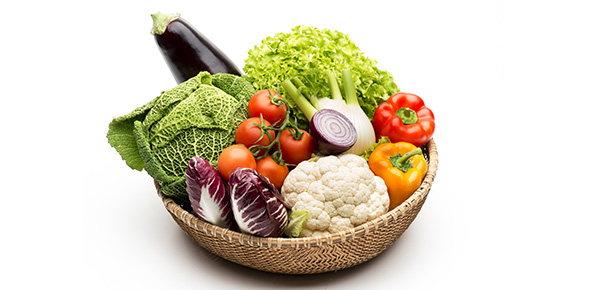
Foods high in fibre are fruits, vegetables and whole grain breads and cereals
29
About how much water should we drink each day?
 
We should drink at least 8 glasses of water each day.
30
What do doctors say fibre protects us from?
 
Doctors say fibre may protect us from cancer.
31
List 2 things that can help your intestines work well?
 
Two things that can help your intestines work well are fibre filled foods and water.
32
What does the urinary system do?
 
The urinary system removes liquid waste from the body.
33
What do the kidneys do?
 
The kidneys clean the blood of impurities.
34
What tubes carry the liquid waste?
 
The ureters carry away liquid waste.

No comments yet! Be the first to add a comment below!

Please login to post comments.
After login, we will forward you back to this flashcard.

Upgrade and get a lot more done!
Upgrade